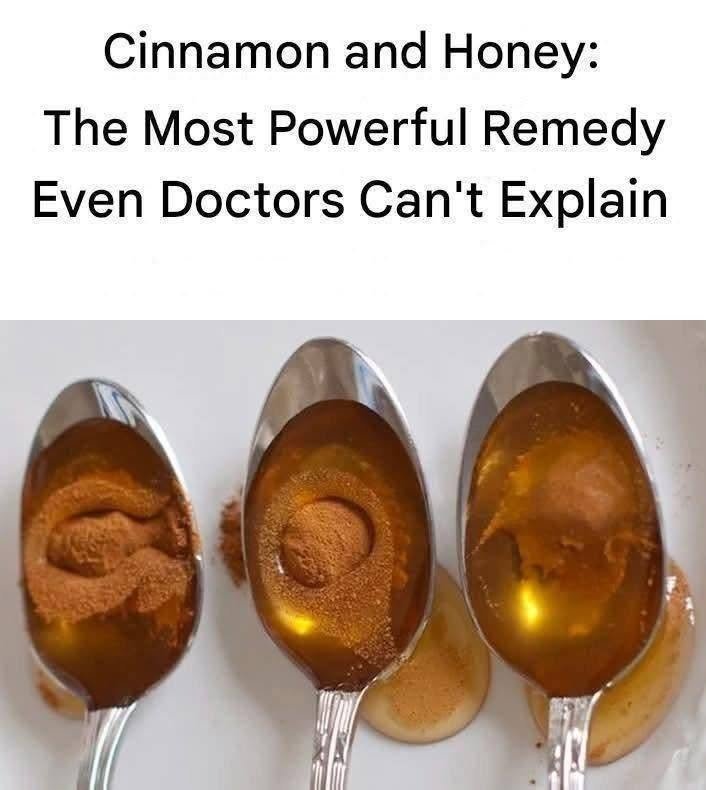
The pairing of cinnamon and honey has been a staple of traditional Ayurvedic and folk medicine for centuries, frequently circulating online and in wellness circles as a miracle remedy said to cure everything from arthritis and heart disease to chronic infections and fatigue.
The reason doctors and modern medical researchers “can’t fully explain” these miraculous cures is simple: large-scale clinical trials in humans show that many of these sweeping claims do not actually exist.
Fact vs. Fiction: What Science Actually Says
-
Individual Merits vs. Magic Synergy: Both honey and cinnamon possess legitimate, scientifically backed properties on their own. Honey contains natural antimicrobial and soothing agents (making it an effective cough suppressant), while cinnamon is packed with antioxidants and contains compounds like cinnamaldehyde that have been studied for their potential to support metabolic health. However, no published clinical trials show that mixing them together creates a synergistic chemical reaction that cures systemic diseases.
-
The Origin of the Viral Claims: Many of the specific, sweeping lists of “cures” attributed to honey and cinnamon trace back decades to early internet listicles and tabloid publications rather than peer-reviewed medical journals.
-
The Blood Sugar and Weight Loss Nuance: While some studies suggest cinnamon may modestly support healthy fasting blood sugar, adding it to honey—which is dense in simple sugars and calories—means the net metabolic impact depends heavily on your overall diet and portion control. Honey will still raise blood glucose.
Important Safety Caveats
-
Coumarin in Common Cinnamon: Most standard grocery store cinnamon (Cassia cinnamon) contains high levels of a plant compound called coumarin, which can stress or damage the liver if consumed in large, therapeutic daily doses. If you use cinnamon regularly for wellness, medical experts recommend switching to Ceylon cinnamon (“true” cinnamon), which contains only trace amounts of coumarin.
-
Sugar Content: Because honey is roughly 80% sugar, individuals managing diabetes or metabolic conditions must account for it as a carbohydrate.
-
Infant Risk: Never feed raw honey to infants under one year old due to the risk of infant botulism.
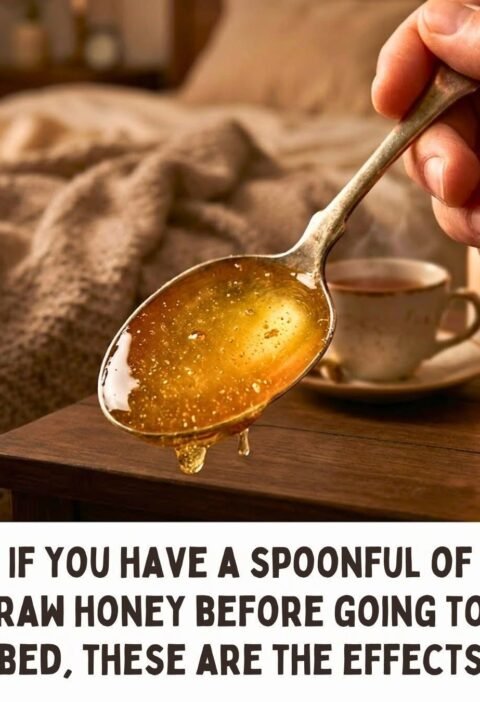
The Bottom Line: Enjoying a warm cup of tea with a dash of cinnamon and a spoonful of honey is a soothing, comforting ritual. While it makes a delightful natural pairing, it should be treated as a healthy culinary choice rather than a medical replacement for professional treatment.