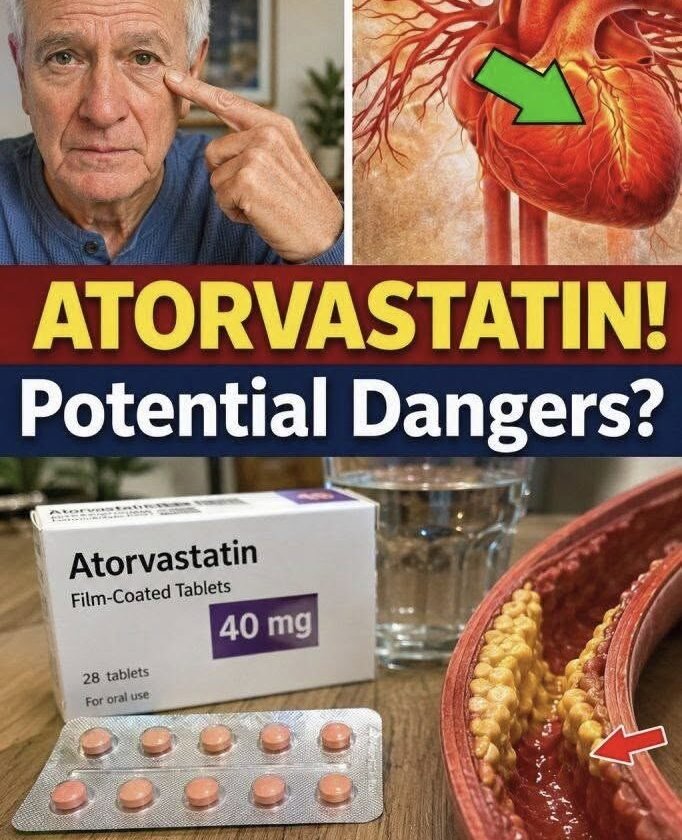
When doctors prescribe Atorvastatin (commonly known by its brand name, Lipitor), it is typically to lower LDL (“bad”) cholesterol, reduce triglycerides, and protect against cardiovascular events like heart attacks and strokes. As a member of the statin family, it works by blocking a substance your liver needs to produce cholesterol.
While Atorvastatin is one of the most widely prescribed and thoroughly studied medications in the world—saving millions of lives—it is not without potential side effects. Understanding what to expect helps you partner more effectively with your healthcare provider.
Here are 15 things worth knowing about Atorvastatin side effects, ranging from common, mild reactions to rare warning signs:
Common and Mild Side Effects
1. Mild Muscle Aches or Soreness (Myalgia)
-
Why it happens: Statins can occasionally affect cellular energy production or muscle protein turnover in subtle ways, leading to mild aching or soreness, particularly in larger muscle groups (like the thighs or calves).
-
What to know: Mild muscle aches are relatively common, but severe or widespread pain should always be reported to your doctor.
2. Digestive Upset, Gas, or Mild Nausea
-
Why it happens: As your liver adjusts to altering cholesterol synthesis, the gastrointestinal tract can occasionally experience mild irritation, bloating, or indigestion.
-
What to know: Taking your dose with a meal can often help minimize stomach sensitivity.
3. Mild Headaches
-
Why it happens: Vascular and metabolic shifts when starting a new medication can occasionally trigger temporary, mild headaches during the first few weeks.
-
What to know: These typically resolve on their own as your body adapts.
4. Diarrhea or Constipation
-
Why it happens: Statin medications can subtly alter gut motility or how fats and bile acids are processed in the digestive tract.
-
What to know: Staying well-hydrated and eating a fiber-rich diet usually helps keep digestion regular.
5. Mild Sleep Disruptions or Insomnia
-
Why it happens: While less common, some patients report trouble falling or staying asleep when starting a statin.
-
What to know: If sleep is disrupted, some doctors suggest switching from taking the pill at night to taking it in the morning (though Atorvastatin has a long half-life and can be taken at any time of day).
Moderate and Metabolic Side Effects
6. Mild Elevations in Blood Sugar (Glucose)
-
Why it happens: Statins can slightly decrease insulin sensitivity in some individuals, which may cause a minor bump in fasting blood glucose levels over time.
-
What to know: For most people, the cardiovascular benefits of preventing a heart attack far outweigh this minor metabolic risk. However, if you have prediabetes or diabetes, your doctor will monitor your blood sugar (HbA1c) more closely.
7. Temporary Cognitive Shifts (“Brain Fog”)
-
Why it happens: Some patients report mild, reversible forgetfulness, mental sluggishness, or trouble concentrating.
-
What to know: The FDA notes that these cognitive side effects are generally rare, mild, and completely reversible within a few weeks of stopping or adjusting the medication.
8. Joint Pain (Arthralgia)
-
Why it happens: Alongside muscle aches, some individuals experience minor stiffness or aching in the joints.
-
What to know: Distinguishing between joint and muscle pain helps your doctor determine the best management strategy.
9. Elevated Liver Enzymes (Asymptomatic)
-
Why it happens: Because Atorvastatin is processed by the liver, it can occasionally cause liver cells to leak specific enzymes into the bloodstream without actually damaging the organ.
-
What to know: Doctors usually run baseline liver function blood tests before starting statins and monitor them if symptoms arise.
10. Fatigue or General Weakness
-
Why it happens: Mild lethargy can occur as your metabolic pathways adapt to lower cholesterol levels.
-
What to know: Persistent or overwhelming fatigue should be evaluated to rule out other causes or significant muscle breakdown.
Rare and Serious Red-Flag Side Effects
11. Severe Muscle Breakdown (Rhabdomyolysis)
-
Why it happens: This is a very rare but serious condition where damaged muscle tissue breaks down rapidly, releasing proteins (like myoglobin) into the blood that can overwhelm and damage the kidneys.
-
What to know: Watch out for unexplained, severe muscle pain, tenderness, or weakness (especially if accompanied by fever or dark, tea-colored urine). Seek medical care immediately if this occurs.
12. Drug-Induced Liver Injury (Hepatotoxicity)
-
Why it happens: In extremely rare cases, statins can cause significant inflammation or injury to the liver.
-
What to know: Red-flag symptoms include persistent nausea, upper right abdominal pain, yellowing of the skin or eyes (jaundice), and dark urine.
13. Severe Allergic Reactions (Anaphylaxis)
-
Why it happens: As with any medication, hypersensitivity to the inactive or active ingredients can trigger an immune response.
-
What to know: Seek emergency help immediately if you experience a rash, hives, swelling of the face, lips, or tongue, or difficulty breathing.
14. Tendon Problems (Tendinopathy)
-
Why it happens: Very rarely, statins have been linked to inflammation or rupture of tendons (such as the Achilles tendon).
-
What to know: Report any sharp, sudden pain or swelling near your joints or tendons to your doctor promptly.
15. Potential Interactions with Grapefruit and Certain Drugs
-
Why it happens: Grapefruit juice inhibits an enzyme in the gut (CYP3A4) that breaks down Atorvastatin. Drinking large amounts of grapefruit juice can cause the medication to build up to toxic levels in your bloodstream, drastically increasing the risk of side effects like muscle pain.
-
What to know: Check with your pharmacist regarding potential drug interactions with other medications (like certain antibiotics, antifungals, or blood pressure drugs).
Managing Statins Safely
If you experience side effects while taking Atorvastatin, never stop taking it abruptly on your own, as doing so can cause your cholesterol levels to rebound, increasing your cardiovascular risk. Instead, talk to your doctor—they can adjust your dosage, switch you to a different statin, or explore alternative management strategies.
Are you or someone you care about currently taking Atorvastatin, or discussing cholesterol management with a physician?