After Gallbladder Removal: 3 Problems You May Experience—and When Surgery Although some people develop digestive symptoms afterward, the claim that everyone should Is Actually Necessary
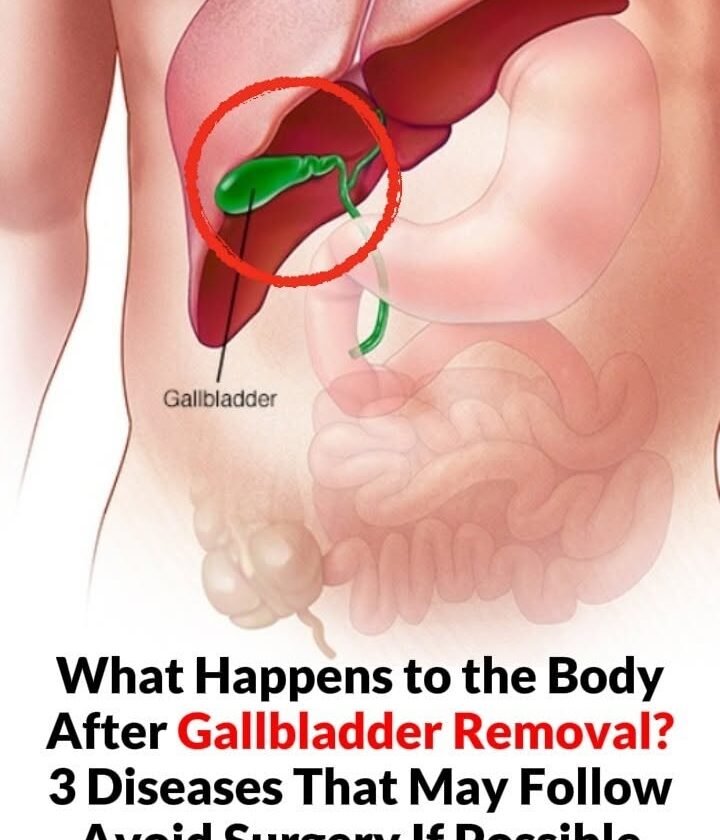
Gallbladder removal (cholecystectomy) is one of the most common abdominal operations. Although some people develop digestive symptoms afterward, the claim that everyone should avoid the surgery whenever possible is misleading. When gallstones or gallbladder disease are causing complications, surgery can prevent serious problems.
3 possible problems after gallbladder removal
- Diarrhea or more frequent bowel movements
Without a gallbladder storing bile, bile flows more continuously into the intestine. Some people develop diarrhea, particularly after fatty meals. It may improve over time and can be treated if persistent. - Bloating and indigestion
Some people notice gas, abdominal discomfort, nausea, or difficulty digesting particularly rich or fatty meals. Smaller meals and temporarily reducing very fatty foods may help. - Persistent abdominal symptoms
A minority of people continue to experience pain or digestive symptoms after surgery. These symptoms can have several causes, including another gastrointestinal condition or, occasionally, a problem involving the bile ducts.
Does everyone with gallstones need surgery?
No. Gallstones that cause no symptoms often don’t require treatment. But surgery may be recommended for recurrent painful attacks, acute gallbladder inflammation (cholecystitis), pancreatitis caused by gallstones, or other complications.
The right decision depends on the individual’s symptoms, diagnosis, age, overall health, and surgical risk. If surgery has been recommended, ask your clinician why it is needed, what could happen without it, and whether there are appropriate alternatives.
🚨 Severe or persistent abdominal pain, fever, repeated vomiting, or yellowing of the skin or eyes requires prompt medical evaluation.