The Core Warning Signs of a Stroke or TIA (BE FAST)
-
B – Balance Loss: Sudden dizziness, loss of coordination, or trouble walking without an obvious reason.
-
E – Eyesight Changes: Sudden blurred, double, or lost vision in one or both eyes.
-
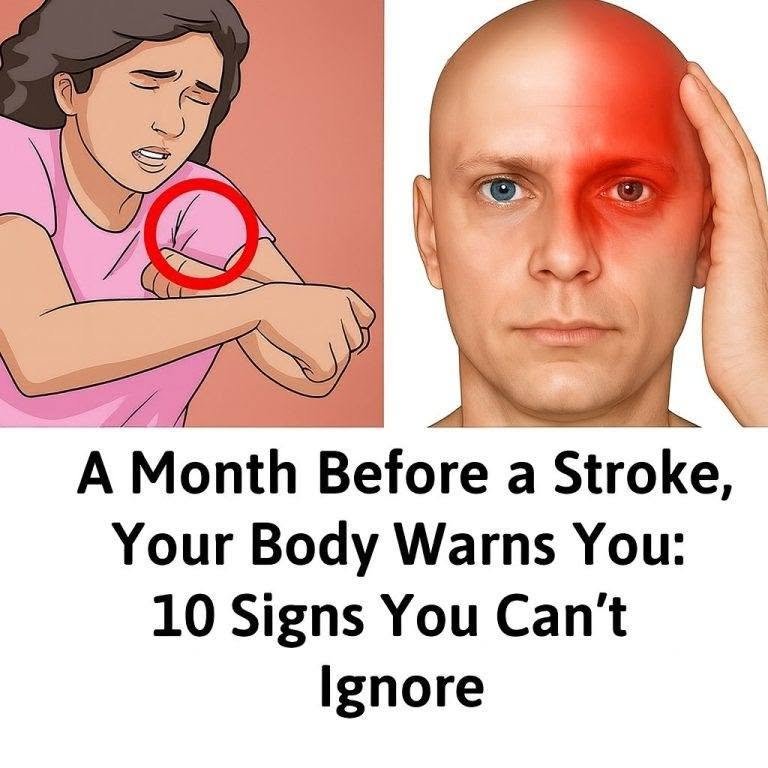
F – Face Drooping: One side of the face droops or feels numb; asking the person to smile reveals an uneven smile.
-
A – Arm Weakness: Sudden weakness or numbness in one arm (or leg); one arm drifts downward when both are raised.
-
S – Speech Difficulty: Slurred speech, trouble finding words, or difficulty understanding simple spoken sentences.
-
T – Time to Call Emergency Services: Even if these symptoms disappear after a few minutes, treat them as a medical emergency immediately.
Other Sudden Symptoms Often Grouped Into “10-Sign” Lists
-
Sudden Severe Headache: An abrupt, intense headache with no known cause—sometimes described as the worst headache of your life—which can signal a hemorrhagic (bleeding) stroke.
-
One-Sided Numbness (“Pins and Needles”): Sudden tingling or loss of sensation on one side of the face, arm, or leg.
-
Sudden Confusion or Disorientation: Abrupt trouble comprehending where you are, what is happening, or simple instructions.
-
Sudden Trouble Swallowing or Nausea/Vertigo: Abrupt difficulty swallowing (dysphagia) or intense spinning dizziness paired with nausea, particularly when combined with double vision or clumsiness.
Why “A Month Before” Is Misleading—and What Actually Happens
| Concept | What Happens | Why It Matters |
| Transient Ischemic Attack (TIA) | Blood flow to part of the brain is briefly blocked; symptoms resolve within minutes to 24 hours without permanent damage. | A TIA is a high-risk warning sign: up to 10–15% of people who have a TIA experience a major stroke within 3 months, with the highest risk in the first 48 hours. |
| Active Ischemic or Hemorrhagic Stroke | Blood flow remains blocked or a blood vessel ruptures, damaging brain tissue within minutes. | Clot-busting medications and mechanical clot removal work only within a narrow window after onset—every minute counts. |
| Vague “Month-Long” Symptoms | General fatigue, mild headaches, or stress weeks earlier are rarely specific signs of an impending stroke. | Waiting weeks to see if symptoms progress wastes the critical emergency window if a TIA occurs. |
What to Do Immediately
-
Call emergency services right away: Do not wait to see if symptoms improve, and do not drive yourself to the hospital.
-
Note the exact time symptoms started: Doctors rely on the “last known well” time to determine eligibility for emergency clot-busting treatments.
-
Never ignore a symptom that resolves: If facial drooping, slurred speech, or one-sided weakness clears up in 10 minutes, still go to an emergency department the same day for brain and blood vessel imaging.