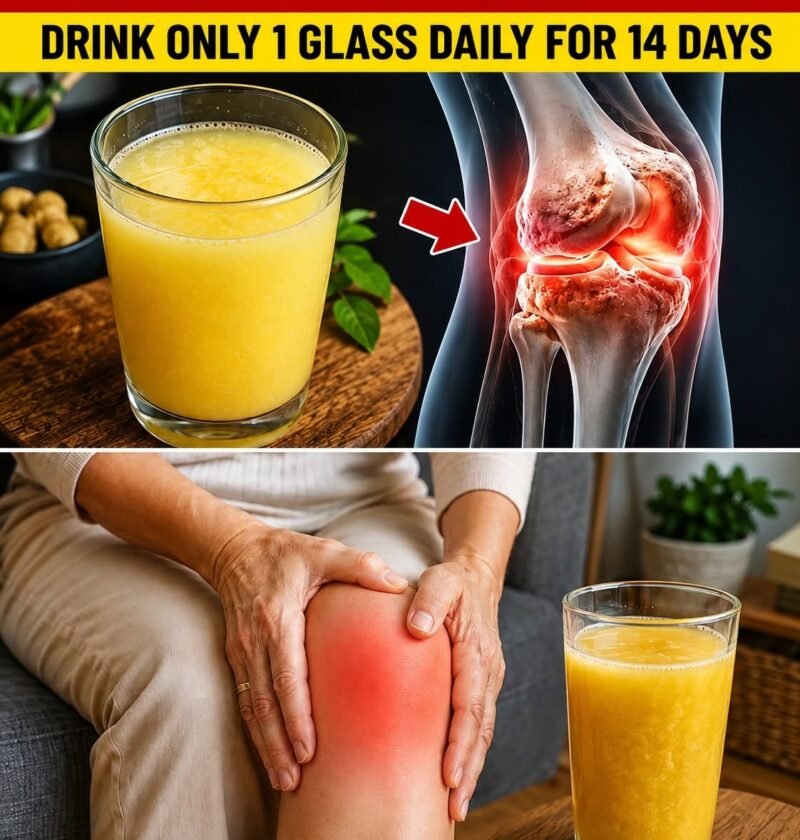
The headline “Knee Pain After 60? Discover the Drink Everyone’s Talking About” is almost certainly using the promise of a “miracle drink” to attract attention. I couldn’t find a credible medical source showing that one particular drink reliably treats knee pain after 60.
What actually helps knee pain
Knee pain after 60 is commonly related to osteoarthritis, although injuries, gout, inflammatory arthritis and other conditions can also cause it.
A
AAFP
For knee osteoarthritis, the better-supported approaches include:
Regular, appropriate exercise—especially strengthening the quadriceps and other muscles around the knee.
Maintaining a healthy weight, when applicable, to reduce mechanical load on the knees.
Low-impact activity, such as walking, cycling, swimming or water exercise.
Physical therapy when pain or weakness is interfering with normal activity.
H
HWY Physical Therapy
+1
A generally healthy diet rich in vegetables, fruit, whole grains, legumes, nuts and other minimally processed foods.
There is some research on individual drinks and foods—such as strawberry beverages and pomegranate juice—but the studies are small and don’t establish a drink as a treatment for knee arthritis.
M
MDPI
What about the “drink”?
If the advertisement is promoting something like ginger water, turmeric milk, lemon water, collagen drinks, cinnamon water, or a particular juice, it may have nutritional value, but that is very different from repairing worn cartilage or curing arthritis.
A drink cannot be expected to rebuild damaged knee cartilage simply because it contains an “anti-inflammatory” ingredient.
If you send me the article/video link or the next part of the headline, I can identify exactly which drink they’re promoting and check the evidence behind that specific claim.
A
H
M
Sources