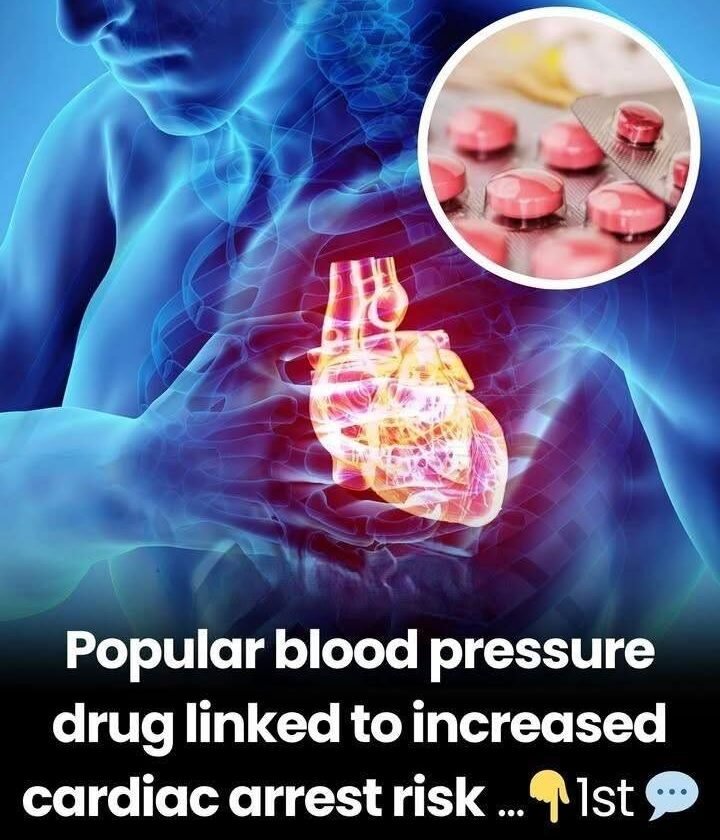
Major epidemiological studies and cardiology findings (such as those from the European Sudden Cardiac Arrest network, ESCAPE-NET) have pointed to specific blood pressure medications within the dihydropyridine calcium channel blocker class—most notably high-dose nifedipine—being associated with an increased risk of out-of-hospital cardiac arrest.
Key Findings from the Research
-
High-Dose Nifedipine vs. Amlodipine: The large-scale population studies looked at two widely prescribed calcium channel blockers used for hypertension and chest pain: nifedipine and amlodipine.
-
The Risk Factor: Researchers found that high-dose nifedipine (typically 60 mg/day or higher) was significantly associated with an increased risk of sudden cardiac arrest caused by fatal heart arrhythmias (ventricular fibrillation/tachycardia).
-
Why It Happens: Laboratory studies indicated that high concentrations of nifedipine shorten the “action potential” of cardiac cells (disrupting electrical signaling through calcium channels) more aggressively than other medications in its class.
-
Good News for Amlodipine: Interestingly, the same studies found no increased risk of cardiac arrest associated with amlodipine at standard clinical doses (5 mg or 10 mg). Low-dose nifedipine also did not show the same elevated risk.
⚠️ Important Medical Advice: Never alter, reduce, or stop your blood pressure medication based on headlines alone. Abruptly stopping antihypertensive therapy can cause severe rebound high blood pressure, triggering strokes or heart attacks. If you are taking nifedipine (especially at a higher dose) and have concerns about these findings, consult your cardiologist or physician to discuss whether your current dosage or medication needs review.
Are you or someone you know currently taking nifedipine or another blood pressure medication?