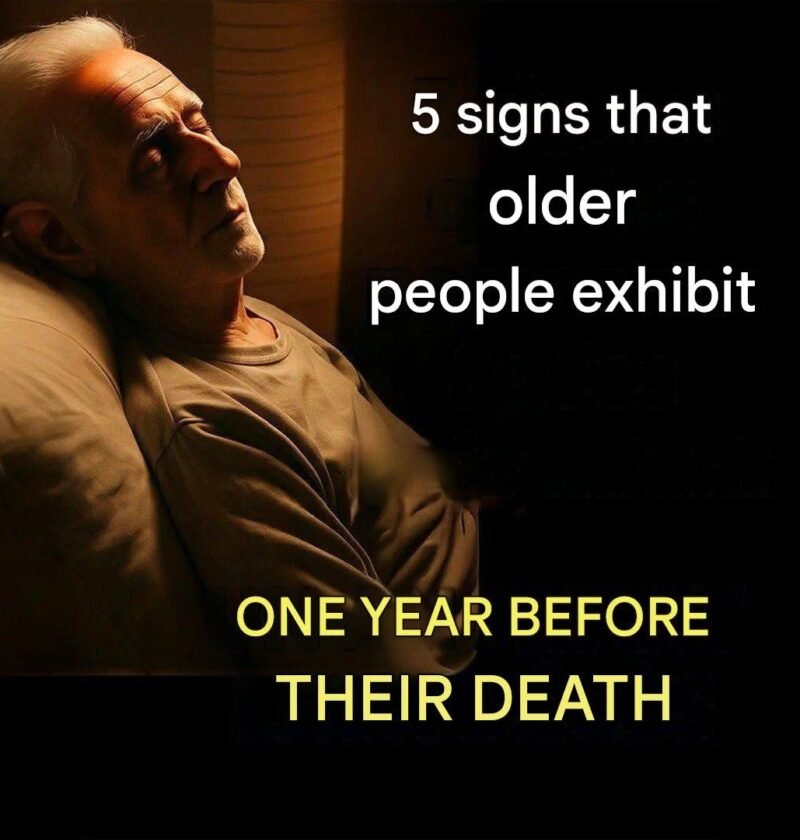
5 Signs an Older Adult May Need More Care and Attention
Getting older does not automatically mean someone needs full-time care. However, changes in everyday abilities, safety, memory, or behavior can indicate that additional support or a medical evaluation is needed.
1. They are struggling with everyday tasks
Watch for difficulty with activities they previously handled independently, such as bathing, dressing, preparing meals, using the bathroom, managing household chores, or keeping appointments. These changes can be an important sign that additional assistance may be appropriate.
2. They are falling or becoming increasingly unsteady
Repeated falls, difficulty getting out of a chair, staggering, or frequently needing furniture or walls for support should not simply be dismissed as normal aging. Balance problems can have many causes, including medications and medical conditions, and should be assessed.
3. They are having trouble managing medications
Missing doses, taking medicines at the wrong time, accidentally taking a double dose, or becoming confused about which medication to take can create serious risks. Older adults taking multiple medications may particularly benefit from medication review and a reliable management system.
4. Their memory, judgment, or behavior has noticeably changed
Increasing difficulty with familiar tasks, confusion about time or place, trouble finding words, or significant changes in mood or personality deserve attention. These changes can have many causes and don’t automatically mean dementia.
5. They are withdrawing, eating poorly, or neglecting themselves
A noticeable loss of interest in activities, declining energy, changes in appetite or weight, poor personal care, or increasing isolation can indicate depression, illness, cognitive problems, or difficulty coping independently. Persistent symptoms should be discussed with a healthcare professional.
One warning sign that needs immediate attention
Sudden confusion is not simply a normal part of aging. Delirium can be caused by infections, medication effects, stroke, low blood sugar, head injuries, and other potentially serious conditions. Someone who suddenly becomes confused should receive immediate medical assessment.
The goal isn’t to take away an older person’s independence. Often, small changes—help with medications, meals, transportation, household tasks, or fall prevention—can provide more safety while allowing the person to remain as independent as possible.