What Is Atorvastatin and Why Is It Commonly Prescribed?
If you’ve been prescribed atorvastatin, you may wonder what it actually does and why your doctor recommended it.
Atorvastatin belongs to a group of medicines called statins. It works mainly by reducing how much cholesterol the liver produces, which lowers the amount of LDL (“bad”) cholesterol circulating in the blood.
❤️ Why is it prescribed?
Atorvastatin is commonly prescribed to:
- Lower high LDL cholesterol
- Reduce the risk of heart attack
- Reduce the risk of stroke
- Lower cardiovascular risk in people who have certain risk factors or established cardiovascular disease
It’s also sometimes prescribed when cholesterol isn’t extremely high but a person’s overall risk of cardiovascular disease is high enough that treatment is recommended.
🩸 Why does lowering LDL matter?
Over time, excess LDL cholesterol can contribute to plaque buildup inside arteries. This process, called atherosclerosis, can narrow or damage blood vessels and increase the risk of heart attack and stroke.
Atorvastatin helps lower LDL and can slow the development of this plaque-related cardiovascular disease.
⏳ How long does it take to work?
Atorvastatin begins lowering cholesterol relatively quickly, but it is generally taken long term to maintain the benefit.
Your healthcare professional may order blood tests to check your cholesterol response and, when appropriate, monitor for potential medication-related problems.
⚠️ What about side effects?
Many people take atorvastatin without serious problems.
Possible side effects include muscle aches, digestive symptoms, headache, and changes in liver enzymes. Serious muscle or liver problems are uncommon but can occur.
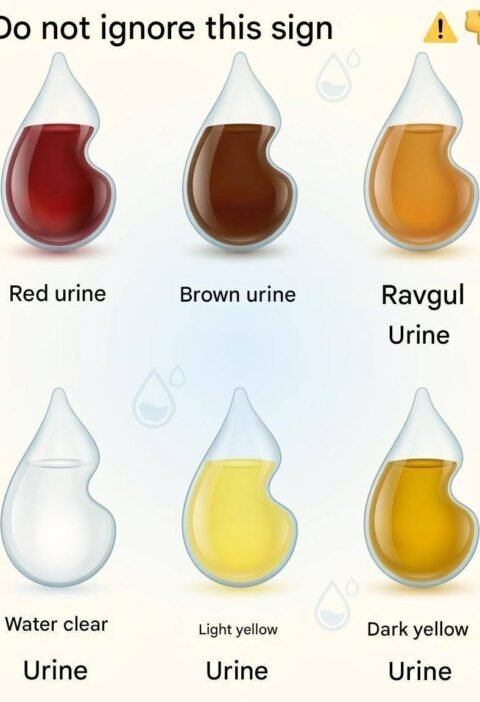
If you develop unexplained severe muscle pain or weakness, dark urine, yellowing of the skin or eyes, or another concerning symptom, contact a healthcare professional promptly.
❗ Don’t stop it without talking to your doctor
If you experience side effects or are concerned about taking atorvastatin, don’t simply stop the medication on your own.
Your doctor or pharmacist can review the dose, possible interactions, other causes of your symptoms, and whether an alternative treatment would be appropriate.