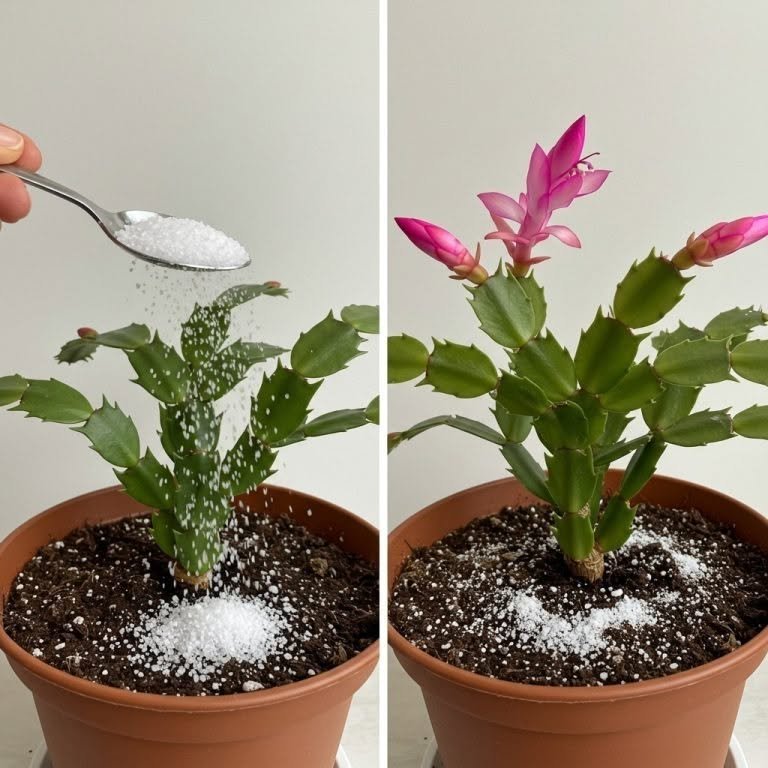
Viral plant-care reels love to tease a poetic, mysterious “secret” to awaken weary indoor plants as the seasons change—often promising that a specific kitchen tonic or magic ritual will instantly reverse months of neglect.
While autumn is indeed a critical transition period for indoor greenery as daylight fades and indoor heating kicks on, reviving a tired houseplant relies on managing environmental shifts rather than secret elixirs.
What Actually Happens to Houseplants in the Fall
As outdoor temperatures drop and heaters turn on, your indoor environment changes dramatically:
-
Dropping Light Levels: Days become shorter, and the sun shifts lower in the sky. Plants that thrived on a bright windowsill all summer may suddenly find themselves in dim light.
-
Dry Indoor Air: Forced-air heating strips humidity from the air, which can stress tropical plants like ferns, calatheas, and monsteras, leading to crisp brown leaf tips.
-
Entering Dormancy: Most indoor plants slow down their growth significantly during autumn and winter, meaning their biological needs shift entirely.
Real Science-Backed Steps to “Awaken” Your Plants for Fall
Instead of searching for a hidden kitchen hack, professional horticulturists recommend these practical adjustments to help your indoor plants thrive through the colder months:
-
Relocate for Maximum Light: Move your sun-loving plants closer to south- or west-facing windows to make up for weaker autumn sunlight.
-
Back Off on Fertilizer: Because plants slow down their growth in autumn, they stop actively feeding. Pushing heavy fertilizer now can burn dormant roots. Save the plant food for spring.
-
Adjust Your Watering Schedule: Soil stays damp much longer in cooler weather. Always check the moisture level a couple of inches down before watering to avoid root rot.
-
Boost Humidity: Group plants together or place them near a pebble tray filled with water to combat the dry air created by indoor heating.
Are you noticing signs of seasonal stress in your indoor plants, or prepping your green space for the colder months?