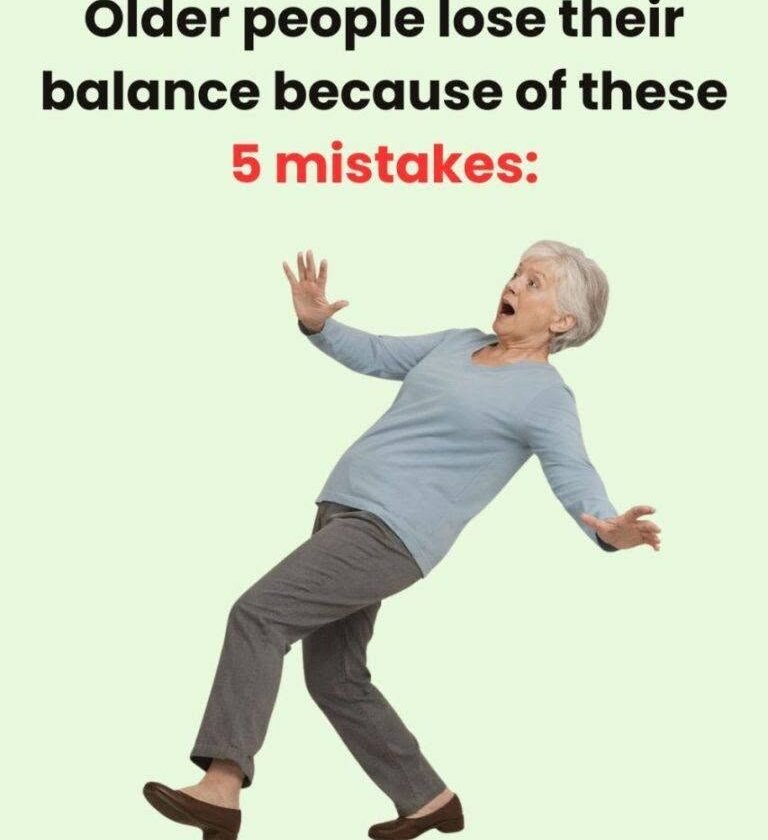
Common Mistakes That Affect Balance in Older Adults
Balance problems aren’t simply an unavoidable part of aging. Several everyday habits and medical issues can increase the risk of falls, dizziness and loss of stability, and many can be addressed.
1. 🛋️ Becoming too inactive
Avoiding activity because of fear of falling can actually make things worse. Muscle weakness and reduced balance can increase fall risk. Regular strength and balance exercises, including appropriately supervised resistance exercise or tai chi, can help.
2. 💊 Ignoring medication side effects
Some prescription and over-the-counter medicines can cause dizziness, drowsiness, blurred vision or slower reactions. Older adults should periodically ask a doctor or pharmacist to review all their medicines—including supplements. Don’t stop prescription medicines on your own.
3. 👓 Putting off an eye examination
Even relatively small changes in vision can increase the risk of falling. Keeping glasses prescriptions up to date and treating vision problems can improve safety.
4. 👟 Wearing unstable footwear
Backless slippers, loose shoes, high heels and smooth soles can make walking less secure. Well-fitting, nonslip, low-heeled shoes are a safer choice.
5. 🏠 Leaving trip hazards around the home
Loose rugs, clutter, electrical cords, slippery floors and poor lighting can turn an ordinary walk into a fall. Good lighting—particularly around stairs and during nighttime bathroom trips—is important.
6. 🚶 Standing up too quickly
A sudden drop in blood pressure after getting up can cause light-headedness or unsteadiness. Rise slowly, particularly after lying down for a while. Persistent dizziness when standing should be discussed with a clinician.
7. 🦻 Ignoring hearing or inner-ear problems
The inner ear plays an important role in balance. Ear disorders and some other conditions can cause dizziness or imbalance.
8. 🍷 Drinking too much alcohol
Alcohol can impair coordination and affect the inner ear, increasing the risk of dizziness and falls.
9. 🦵 Assuming weak legs are “just age”
Muscle loss, weakness and gait problems are important fall-risk factors. Difficulty rising from a chair, climbing stairs or walking steadily deserves attention rather than simply being accepted as normal aging.
🚨 When balance problems need medical attention
New or worsening balance problems should be evaluated, particularly if they come with fainting, severe dizziness, new weakness or numbness, trouble speaking, vision changes, severe headache, or difficulty walking that starts suddenly.