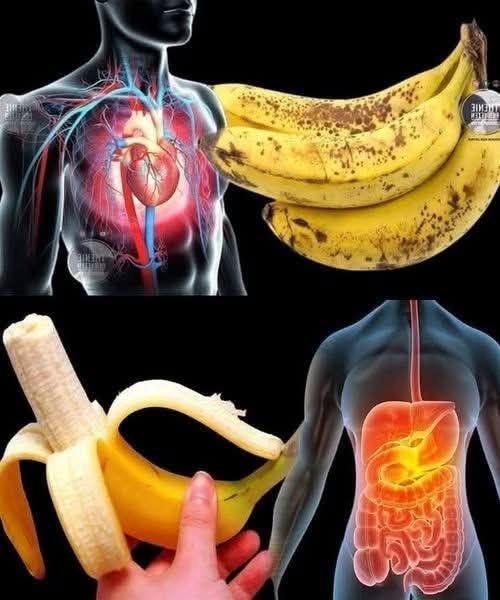
“Did you know that eating bananas increases…” — What does it actually increase?
This viral headline is incomplete, and the answer depends on what the post claims. Bananas do increase your intake of potassium, along with carbohydrates, fiber and vitamin B6. A medium banana contains about 420–422 mg of potassium.
What bananas may help with
- Potassium intake: Potassium supports normal heart function, nerve transmission and muscle contraction.
- Blood pressure: Diets containing adequate potassium, particularly when sodium intake is also reduced, can help support healthy blood pressure.
- Digestion: Bananas provide fiber, and less-ripe bananas contain resistant starch that can be fermented by beneficial gut microbes.
- Energy: Their carbohydrates make them a convenient source of energy, especially as a snack or around physical activity.
⚠️ But more bananas isn’t necessarily better
Healthy people with normal kidney function generally don’t need to worry about potassium from ordinary foods. However, people with chronic kidney disease or those taking certain medications that raise potassium can develop dangerously high blood potassium levels.
Also, one banana doesn’t provide all the potassium you need for the day. Adults generally need about 2,600 mg/day for women and 3,400 mg/day for men, depending on age and circumstances, so variety is better than relying on bananas alone.