-
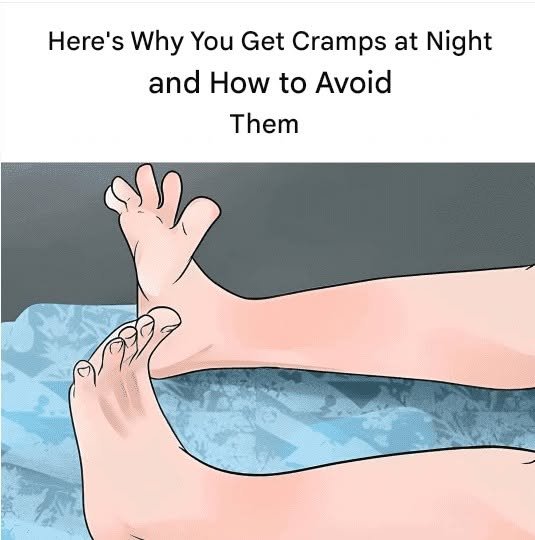
Why Do We Get Cramps at Night?Nighttime leg cramps are sudden, involuntary muscle contractions that often affect the calf, foot, or thigh. They can be painful enough to wake you from sleep and may leave the muscle sore afterward.In many cases, there is no single clear cause. However, several factors can make nighttime cramps more likely.
1. Muscle Fatigue and Overuse
Overworking your muscles during the day, especially through prolonged walking, running, standing, or exercise, can increase the likelihood of cramps at night. Muscles that have been heavily used may become more prone to involuntary contractions while you are resting.
2. Dehydration
Not drinking enough fluids can contribute to muscle cramps, particularly when you have lost significant fluid through sweating. Staying adequately hydrated throughout the day may help reduce the risk.
However, cramps are not necessarily caused by dehydration alone, and drinking excessive amounts of water is not a reliable treatment.
3. Mineral and Electrolyte Imbalances
Electrolytes such as potassium, calcium, and magnesium are involved in normal muscle and nerve function. An imbalance can sometimes contribute to muscle cramps.
This does not mean that everyone with nighttime cramps needs supplements. Taking large amounts of minerals without medical advice can be harmful.
4. Staying in One Position
Sleeping with your feet pointed downward or keeping a muscle in a shortened position for a long time may contribute to nighttime cramps. Certain sleeping positions can place the calf muscles in a position where they are more likely to contract.
Gentle stretching before bed may help some people.
5. Age and Circulation
Nighttime leg cramps become more common with age. Circulation problems, nerve problems, and changes in muscle function can sometimes play a role.
Certain medications and underlying medical conditions can also increase the risk of cramps.
What Can You Do When a Cramp Happens?
When a cramp starts, gently stretch and massage the affected muscle. For a calf cramp, straightening the leg and gently pulling the toes toward your face can help stretch the calf.
Standing up and carefully putting weight on the affected leg may also help if you can do so safely.
When Should You See a Doctor?
Occasional nighttime cramps are usually not a cause for concern. However, speak with a healthcare professional if cramps are frequent, severe, getting worse, disturbing your sleep regularly, or occurring with swelling, numbness, weakness, or significant changes in the affected leg.
Persistent cramps may sometimes be related to medications or an underlying medical condition and deserve proper evaluation.
The Bottom Line
Nighttime cramps can be linked to muscle fatigue, dehydration, prolonged positions, electrolyte disturbances, aging, medications, or underlying health conditions. Simple measures such as gentle stretching, regular movement, and adequate hydration may help, but frequent or severe cramps should be evaluated rather than automatically blamed on a lack of minerals or water.