If This Is Growing in Your Yard, You May Be Throwing Away a Nutritional Powerhouse
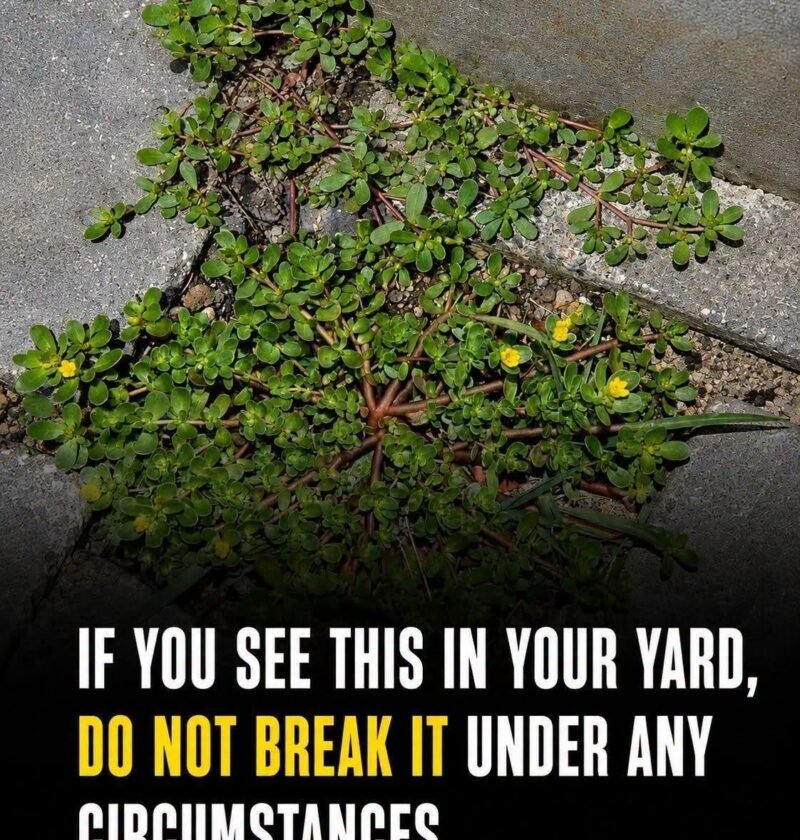
The plant this headline is most likely referring to is purslane (Portulaca oleracea)—a low-growing succulent that many people pull out as a weed. It has fleshy, rounded leaves, reddish stems, and small yellow flowers. Extension experts describe it as a particularly nutrient-rich edible plant.
Why is purslane interesting?
Purslane provides:
- Omega-3 fatty acid (ALA)
- Vitamins A and E
- Vitamin C and several B vitamins
- Minerals including magnesium, potassium, iron, and calcium
- Antioxidant compounds
It can be eaten raw or cooked and has a slightly tangy, succulent texture. Young leaves and stems are generally more tender.
🥗 How can you eat it?
Young, thoroughly washed purslane can be:
- Added to salads
- Stir-fried with vegetables
- Added to soups and stews
- Mixed into eggs or other cooked dishes
- Used in place of some leafy greens
⚠️ Don’t eat just any plant from your yard
Correct identification is essential. Purslane can be confused with other plants, including spurge, and wild plants may have been exposed to herbicides, pesticides, contaminated soil, or animal waste. Don’t eat a plant simply because it resembles a picture online.
Also, purslane contains oxalates, so people who have been advised to limit oxalate-rich foods should check with a healthcare professional before eating large quantities.