What Happens to Your Body If You Don’t Drink Enough Water?
Not drinking enough fluid can lead to dehydration, meaning your body loses more fluid than it takes in. It can start with relatively mild symptoms but become serious if dehydration is severe or prolonged. Older adults are particularly vulnerable.
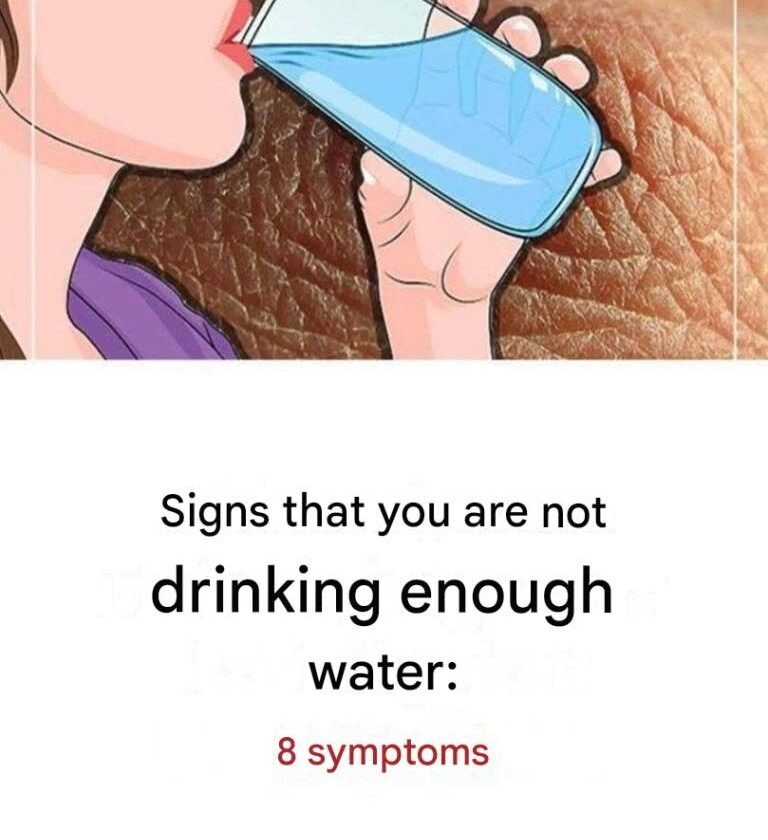
💧 8 things you may notice
- Thirst and dry mouth — your mouth, lips, and tongue may feel dry or sticky.
- Darker urine — urine may become dark yellow and stronger-smelling.
- Urinating less often — you may produce noticeably less urine.
- Headaches — dehydration can contribute to headaches.
- Dizziness or lightheadedness — especially when standing up.
- Tiredness and reduced concentration — dehydration can affect how well you feel and function.
- Constipation — inadequate fluid intake can make stools harder and more difficult to pass.
- Muscle cramps can occur with dehydration, particularly when fluid and electrolyte losses are substantial.
⚠️ Severe dehydration can be dangerous
As dehydration worsens, it can cause confusion, rapid breathing, a fast heartbeat, very little urine, and potentially kidney problems. Severe confusion, difficulty waking, or breathing problems require urgent medical attention.
How much should you drink?
There’s no single amount that’s right for everyone. A general NHS guide is around 6–8 cups or glasses of fluid a day, with greater needs during hot weather, exercise, fever, vomiting, or diarrhea. Food also contributes to your fluid intake.
A practical everyday check is your urine: pale yellow generally suggests good hydration, although medicines and some foods can change urine color.
One caution: If you have heart failure, significant kidney disease, or have been told to restrict fluids, don’t deliberately increase your water intake without following your clinician’s advice.