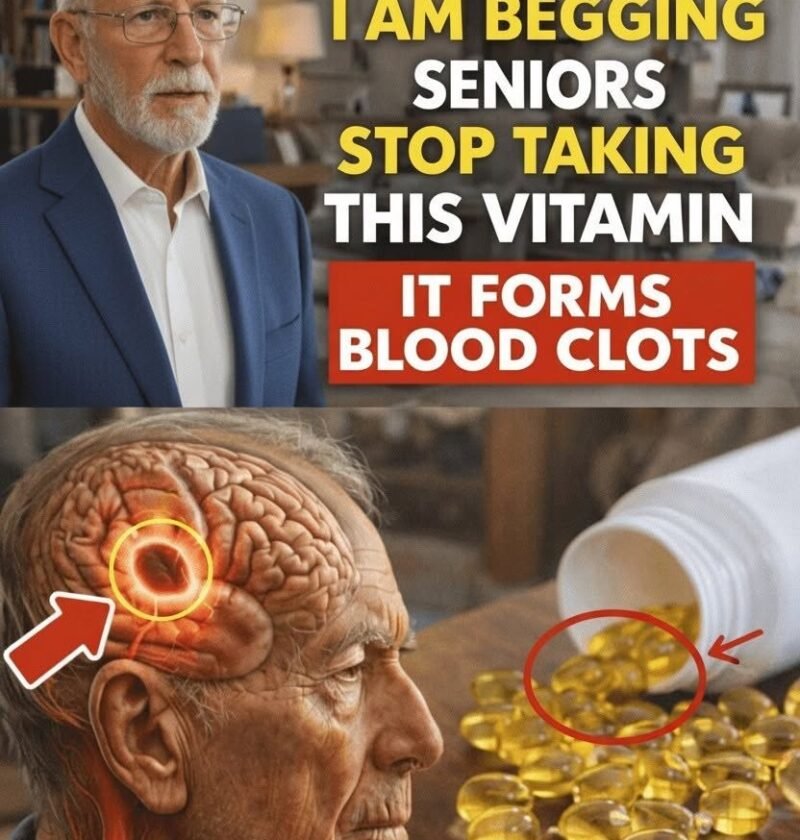
Navigating Vitamin Habits: Understanding Stroke Risk for Older Adults and Brain Health 🧠
Vitamin supplements can be useful when an older adult has a documented deficiency or a specific medical need, but taking more vitamins isn’t automatically better for the brain or heart.
1. Don’t rely on vitamins to prevent stroke
Current American Heart Association guidance emphasizes blood-pressure control, physical activity, healthy eating, cholesterol/diabetes management, and other proven risk-factor strategies rather than routine vitamin supplementation. (professional.heart.org)
2. Avoid megadoses
Older adults should be particularly careful with high-dose supplements. The National Institute on Aging notes that excessive amounts of some vitamins and minerals can be harmful and recommends avoiding unnecessary megadoses. Supplements can also interact with medications. (NIA)
3. Be careful with vitamin B6
Vitamin B6 is essential, but excessive supplemental B6 can cause nerve damage. Taking a supplement marketed for “brain health” doesn’t necessarily improve memory or prevent dementia. (NCCIH)
4. Vitamin D isn’t a stroke-prevention pill
Vitamin D is important for bone and muscle health, and supplementation can be appropriate when someone is deficient. But taking extra vitamin D simply to prevent stroke isn’t supported by evidence. The goal is adequate—not excessive—intake.
5. Get most nutrients from food
A varied diet provides vitamins together with fiber and other beneficial nutrients. For older adults, vegetables, fruits, whole grains, beans, nuts, fish and other nutrient-dense foods are generally a better foundation than relying on multiple supplements. (NIA)
❤️ What matters most for brain and stroke health
The strongest prevention strategies include keeping blood pressure under control, not smoking, staying physically active, managing cholesterol and diabetes, and following a heart-healthy dietary pattern such as the Mediterranean diet. (professional.heart.org)
Important: Don’t suddenly stop a prescribed vitamin or supplement because of an online warning. If you’re taking several products, ask your doctor or pharmacist to review the ingredients, doses, and possible drug interactions.
Bottom line: Vitamins can fill genuine nutritional gaps, but more is not better—and no vitamin supplement should be treated as a substitute for proven stroke-prevention measures.