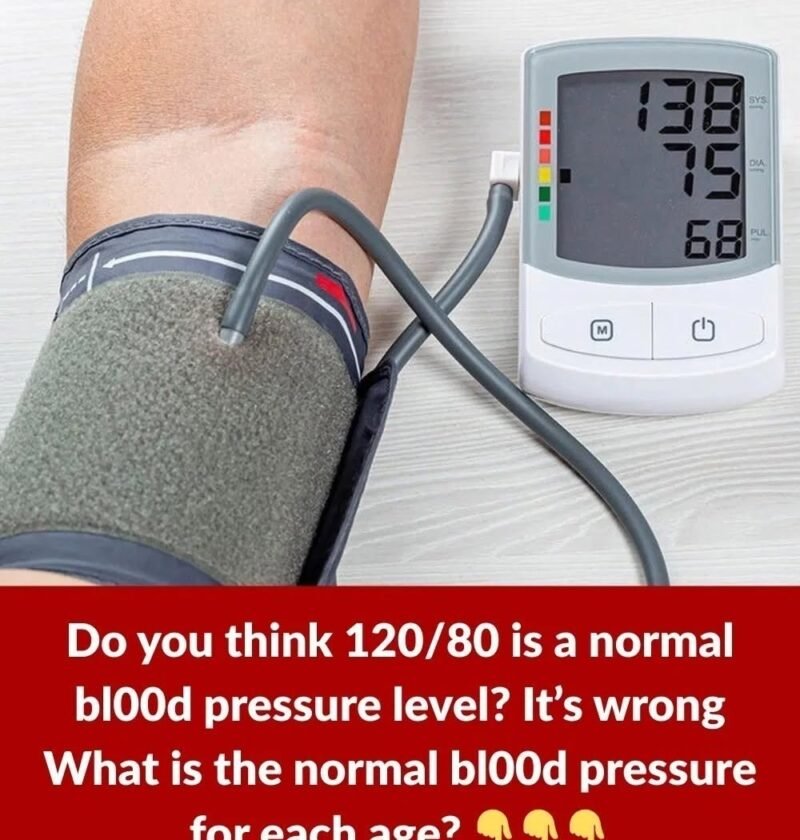
What is a normal blood pressure for your age?
A common misconception is that older adults are supposed to have much higher blood pressure simply because they’re older. Age can affect blood pressure, but there isn’t a simple rule such as “your age + 100.” Current adult categories generally use the same thresholds across adult age groups. www.heart.org+1
| Blood pressure | What it generally means |
|---|---|
| Below 120/80 mmHg | Normal |
| 120–129 / below 80 | Elevated |
| 130–139 or 80–89 | Stage 1 hypertension |
| 140+ or 90+ | Stage 2 hypertension |
| Above 180 and/or 120 | Severe hypertension |
These categories come from current American Heart Association guidance. A diagnosis should be based on consistent readings, rather than one unusual measurement. www.heart.org+1
What about people over 65 or 80?
There isn’t one “normal” number specifically for every person over 65. Treatment targets can be individualized according to overall health, cardiovascular disease, kidney disease, diabetes, medications, frailty, and whether blood pressure becomes too low when standing.
In fact, research in adults 75 and older has shown cardiovascular benefits from intensive blood-pressure management in appropriately selected patients, illustrating why simply accepting high blood pressure as “normal for age” isn’t appropriate. NHLBI, NIH
How to measure it accurately
For a useful home reading, sit quietly with your back supported, feet flat on the floor, and arm supported at heart level. Take measurements consistently and keep a record rather than relying on a single number. www.heart.org+1
When it’s an emergency
If your blood pressure is over 180/120 mmHg, repeat the measurement after at least a minute. If it remains that high, contact a healthcare professional promptly. If it is that high and you have chest pain, shortness of breath, weakness/numbness, vision changes, difficulty speaking, or other concerning symptoms, seek emergency medical care immediately. www.heart.org
If you give me your age and your latest blood-pressure reading (for example, 148/86), I can explain exactly which category it falls into and what that number generally means.