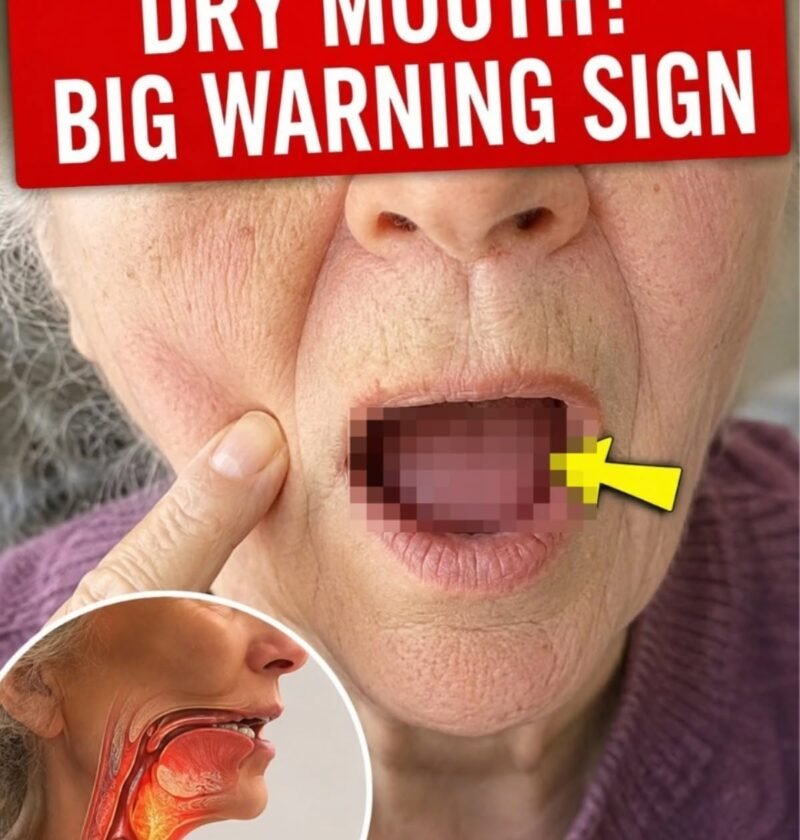
DRY MOUTH EVERY MORNING? Don’t IGNORE What Your Body Could Be Signaling
Waking up with a dry, sticky mouth occasionally is usually nothing to worry about. But if it happens every morning, especially for weeks, it may be worth finding out why. Dry mouth can result from dehydration, medications, mouth-breathing, or certain medical conditions. (nhs.uk)
1. You may be breathing through your mouth at night
A blocked nose, allergies, snoring, or sleeping with your mouth open can dry out the mouth overnight. (Mayo Clinic)
If you also snore loudly, wake up gasping, or feel unusually sleepy during the day, discuss possible sleep apnea with a healthcare professional.
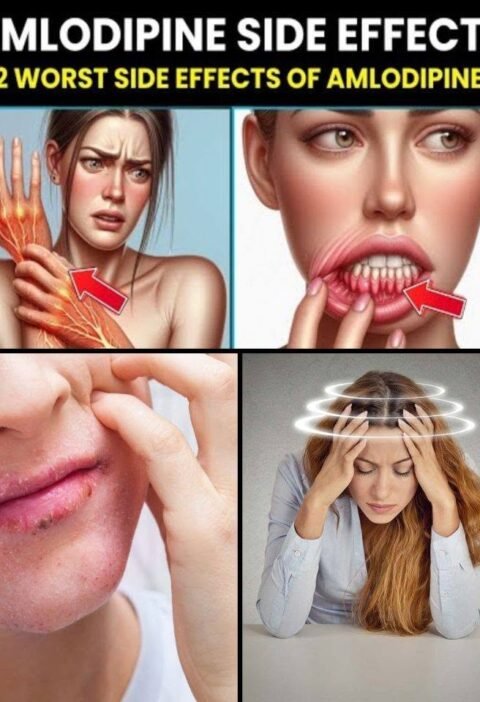
2. Your medication could be contributing
Many medicines can reduce saliva production, including some used for blood pressure, depression, allergies, congestion, pain, and other conditions. (Mayo Clinic)
Don’t stop a prescribed medication on your own. Ask your doctor or pharmacist whether dry mouth could be a side effect and whether alternatives are appropriate.
3. You may simply be dehydrated
Not drinking enough fluids, sweating heavily, illness, or alcohol consumption can contribute to dry mouth. (nhs.uk)
Try drinking regularly throughout the day rather than waiting until you’re thirsty.
4. Persistent dry mouth can sometimes accompany health conditions
Diabetes and Sjögren’s disease are among conditions associated with persistent dry mouth. If you also have unusual thirst, frequent urination, or persistently dry eyes, it’s sensible to speak with a healthcare professional. (NHS Inform)
5. Don’t overlook your teeth and gums
Saliva protects the mouth. Long-lasting dry mouth can increase the risk of tooth decay, gum disease, mouth sores and oral infections. (Mayo Clinic)
What you can do
- Keep water beside your bed and sip regularly.
- Chew sugar-free gum to stimulate saliva.
- Avoid excessive alcohol and caffeine.
- Avoid alcohol-containing mouthwash.
- Brush twice daily with fluoride toothpaste.
- Consider a pharmacist-recommended saliva substitute if needed. (Mayo Clinic)
When to get checked: If your mouth remains dry for several weeks, makes eating or speaking difficult, or you develop painful/red/bleeding areas, white patches, persistent taste changes, frequent urination, or dry eyes, arrange an appointment with a doctor or dentist. (nhs.uk)
Bottom line: Morning dry mouth doesn’t automatically mean something is wrong with your health—but persistent daily dryness deserves attention rather than being dismissed as “just getting older.” (NIDCR)