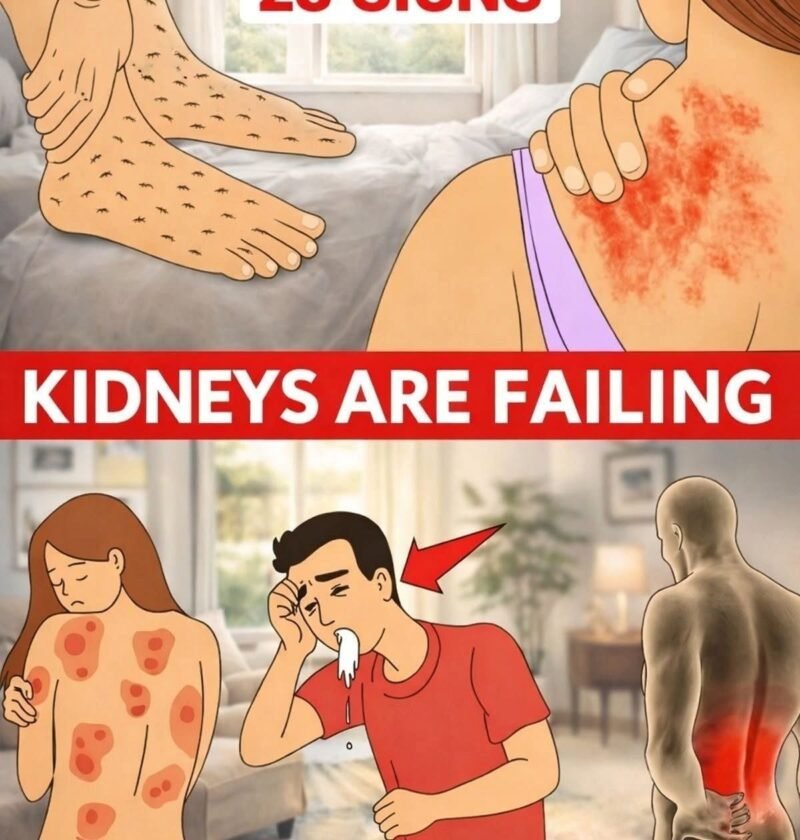
23 Strange Signs Your Kidneys Might Be in Trouble” — What’s actually true?
This headline is a little misleading because kidney disease often causes no symptoms in its early stages. You shouldn’t try to diagnose kidney problems from a long symptom checklist. Blood and urine testing is much more reliable.
That said, possible warning signs—particularly when they are persistent or occur together—include:
- Foamy or unusually bubbly urine — can indicate protein in the urine.
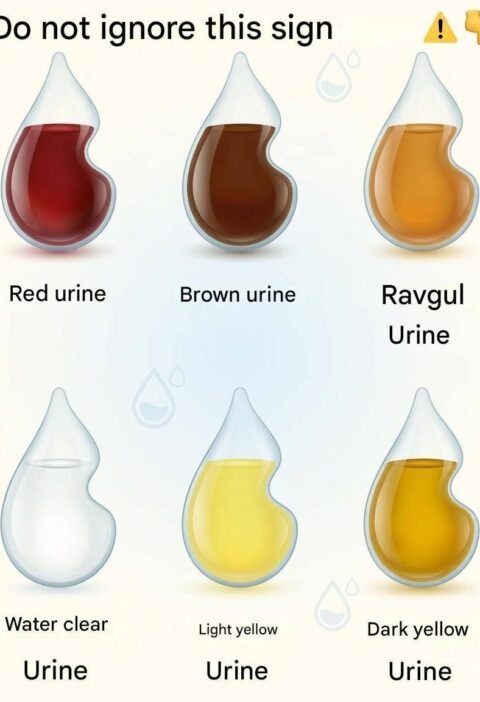
- Blood in the urine — pink, red, or cola-colored urine needs evaluation.
- Urinating more often, particularly at night.
- Urinating less than usual.
- Swelling of the feet, ankles or legs.
- Puffy eyes, especially in the morning.
- Unexplained fatigue or weakness.
- Difficulty concentrating or “brain fog.”
- Trouble sleeping.
- Persistent itching or unusually dry skin.
- Muscle cramps, including nighttime cramps.
- Poor appetite.
- Nausea or vomiting.
- Unintentional weight loss.
- Changes in taste, sometimes described as a metallic taste.
- Shortness of breath, particularly with advanced kidney disease or fluid buildup.
- Chest discomfort in advanced disease.
- Numbness or tingling can occur with advanced kidney disease.
- Changes in urine appearance or amount.
- Increased thirst can sometimes accompany kidney problems, although it has many other causes.
- High blood pressure can both contribute to kidney disease and result from it.
- Anemia-related weakness or breathlessness can occur when kidney function is significantly reduced.
- Fluid retention or generalized swelling can become more pronounced as kidney function declines.
⚠️ The most important point
Having one of these symptoms does not mean you have kidney disease. Many have much more common explanations. Conversely, someone can have significant kidney disease and feel completely normal.
If you have diabetes, high blood pressure, heart disease, or a family history of kidney failure, it’s particularly important to have your kidneys checked.
The basic evaluation usually includes a blood test for estimated glomerular filtration rate (eGFR) and a urine albumin-to-creatinine ratio (uACR).