What Chin Hair in Women Actually Means
-
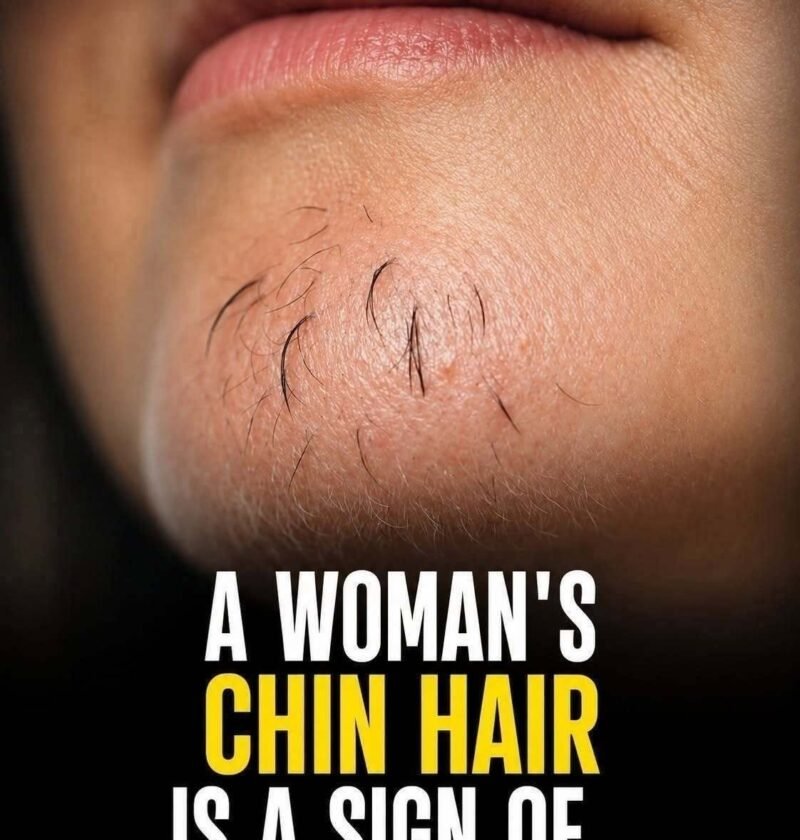
Normal Genetics & Aging: Having a few coarse dark hairs on the chin, upper lip, or jawline is normal for many women. Hair follicles can become more sensitive to normal hormone levels with age—especially during perimenopause and menopause, when estrogen drops relative to baseline androgens (male-type hormones that all women naturally produce).
-
Polycystic Ovary Syndrome (PCOS): The most common medical cause of thicker, darker facial or body hair (). PCOS often comes with irregular periods, acne, scalp hair thinning, or difficulty losing weight.
-
Other Hormonal or Endocrine Conditions: Less commonly, conditions affecting the adrenal glands or thyroid, or elevated prolactin/insulin resistance, can stimulate facial hair growth.
-
Medications: Certain drugs—including systemic corticosteroids, anabolic steroids, danazol, minoxidil, or some anti-seizure medications—can trigger unwanted hair growth.
-
Idiopathic Hirsutism: In many women, lab hormone levels are completely normal, and the hair follicles are simply genetically more sensitive to standard androgen levels.
Safe Removal & When to See a Doctor
-
Everyday Options: Tweezing, threading, waxing, trimming, or shaving are all safe—shaving does not make hair grow back thicker or darker (the blunt cut tip just feels coarser temporarily). For longer-term reduction, laser hair removal or electrolysis targets the follicle directly.
-
When to Get Checked: See a doctor or dermatologist if chin hair appears suddenly or spreads rapidly, or is accompanied by irregular/missed periods, severe acne, voice deepening, or hair thinning on your scalp.