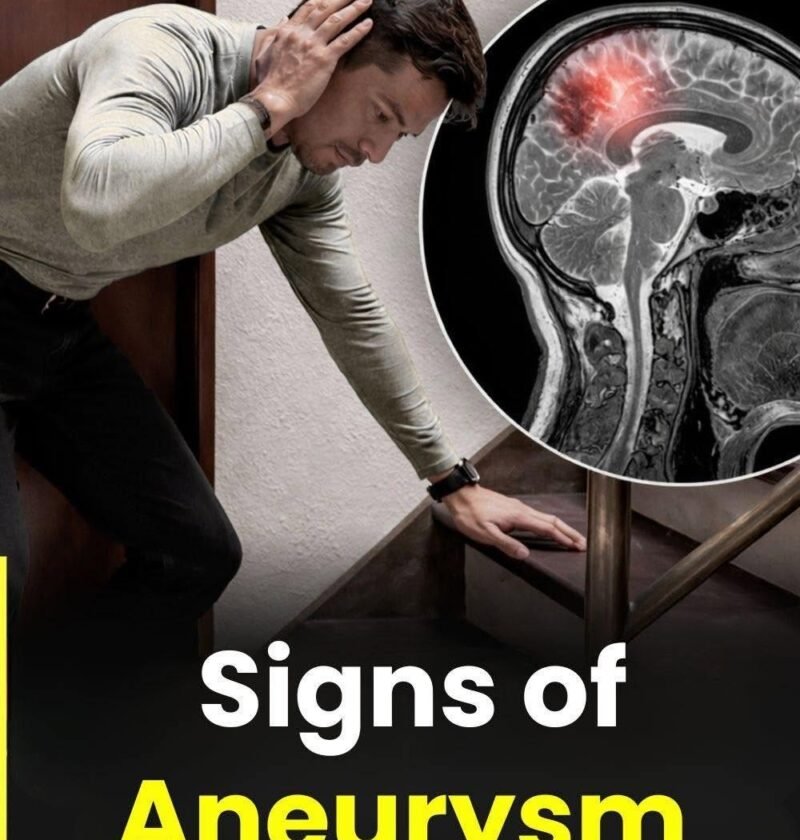
Sensationalized articles warning about the “signs of an aneurysm you shouldn’t ignore” often use dramatic language to get clicks, but a real brain or aortic aneurysm is a genuine medical emergency. Because aneurysms can develop silently before rupturing, knowing the actual warning signs can be life-saving.
An aneurysm is a ballooning or bulge in a weakened blood vessel wall. The danger depends entirely on whether it remains unruptured or bursts.
Signs of an Unruptured (Growing) Aneurysm
Most unruptured aneurysms cause no symptoms at all and are often discovered by accident during scans for other issues. However, if a growing aneurysm presses against nearby nerves or brain tissue, it may cause warning signs:
-
Brain Aneurysm Warnings: Persistent, localized headaches, localized pain behind or above one eye, vision changes (like double vision or blurred vision), numbness or weakness on one side of the face, or difficulty speaking.
-
Aortic Aneurysm Warnings (Chest or Abdomen): Deep, constant aching pain in the chest, back, lower abdomen, or flank that doesn’t go away with position changes.
Signs of a Ruptured Aneurysm (Medical Emergency)
When an aneurysm bursts, it causes internal bleeding that requires immediate 911 or emergency medical care:
-
Ruptured Brain Aneurysm: The classic sign is a sudden, excruciating headache often described as the “worst headache of my life” (frequently called a thunderclap headache). This is often accompanied by sudden nausea, vomiting, a stiff neck, sensitivity to light, confusion, sudden loss of consciousness, or seizure.
-
Ruptured Aortic Aneurysm: Causes sudden, severe, tearing pain radiating through the chest, back, or abdomen, accompanied by a rapid drop in blood pressure, dizziness, shortness of breath, and fainting.
What to Do
If you or someone nearby experiences a sudden, catastrophic “thunderclap” headache or agonizing tearing back and chest pain, do not wait—call emergency services immediately.
Are you looking into aneurysm symptoms because you’ve been experiencing unusual headaches or persistent aches, or were you just reading through health alerts online?