How Key Vitamins Relate to Brain Health and Stroke Risk
-
Vitamin B12, Folate (B9), and Vitamin B6: These B vitamins help regulate homocysteine, an amino acid that can irritate blood vessel linings and contribute to vascular wear when levels stay elevated. Vitamin B12 is also vital for myelin (the protective coating around nerves) and red blood cell production, and low B12 in older adults can cause memory trouble, fatigue, or nerve tingling. While B vitamins lower homocysteine, large trials have not shown that routine B-vitamin pills prevent strokes in people with normal B12 levels. Correcting a genuine B12 deficiency is worthwhile, particularly in older adults with lower stomach acid, limited animal foods, or long-term use of acid reducers or metformin.
-
Vitamin D: Low blood vitamin D levels are frequently observed alongside higher stroke and cardiovascular risk in observational studies. However, large randomized trials have not proven that taking extra vitamin D prevents strokes in people who are not deficient. Treating a confirmed deficiency supports bone and muscle function.
-
Vitamin C & Antioxidants: Diets rich in fruits and vegetables—which supply vitamin C alongside potassium, fiber, and plant polyphenols—are consistently linked to lower stroke risk. Vitamin C pills have not shown the same protective benefit in clinical trials.
-
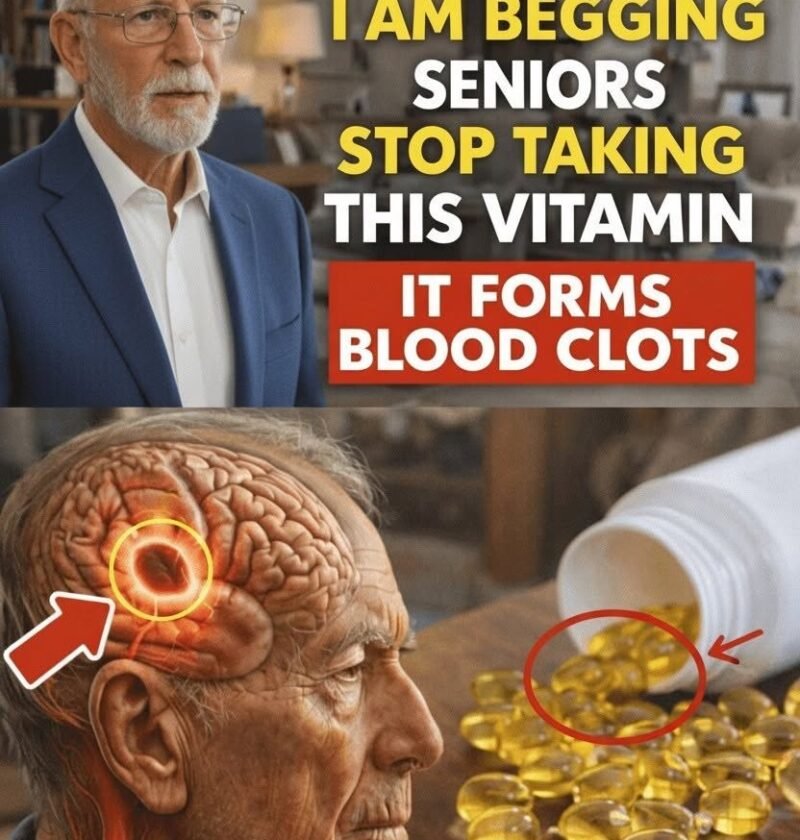
Vitamin E & Beta-Carotene (Caution): High-dose Vitamin E supplements have not been shown to prevent strokes and have been linked in some studies to a higher risk of hemorrhagic (bleeding) stroke, especially in people taking blood thinners or aspirin. High-dose beta-carotene or Vitamin A supplements are likewise not recommended for cardiovascular protection and can pose harm (including higher lung cancer risk in people who smoke or formerly smoked).
What Matters Most for Stroke Prevention and Brain Health
-
Blood pressure control: High blood pressure is the single largest modifiable driver of both ischemic and hemorrhagic strokes.
-
Cholesterol, blood sugar, and heart rhythm management: Managing LDL cholesterol, diabetes, and conditions like atrial fibrillation directly protects brain blood flow.
-
Whole-food eating patterns: Diets emphasizing vegetables, fruits, legumes, whole grains, nuts, seeds, and fish support blood vessels and brain health much more reliably than isolated capsules.
-
Regular movement, sleep, and avoiding tobacco: Consistent physical activity and staying smoke-free substantially lower vascular risk.
Smart Next Steps With a Doctor
-
Test before megadosing: If you or an older family member have fatigue, numbness, balance issues, or cognitive changes, ask a doctor whether checking Vitamin B12, Vitamin D, blood counts, blood sugar, and blood pressure makes sense rather than guessing with high-dose supplements.
-
Review interactions: Always check supplements with a doctor or pharmacist—especially if taking warfarin or other anticoagulants, antiplatelets, thyroid medications, or blood pressure drugs—and avoid starting or stopping prescribed medications on your own.