How Vitamin K and Vitamin E Relate to Clotting and Leg Circulation
-
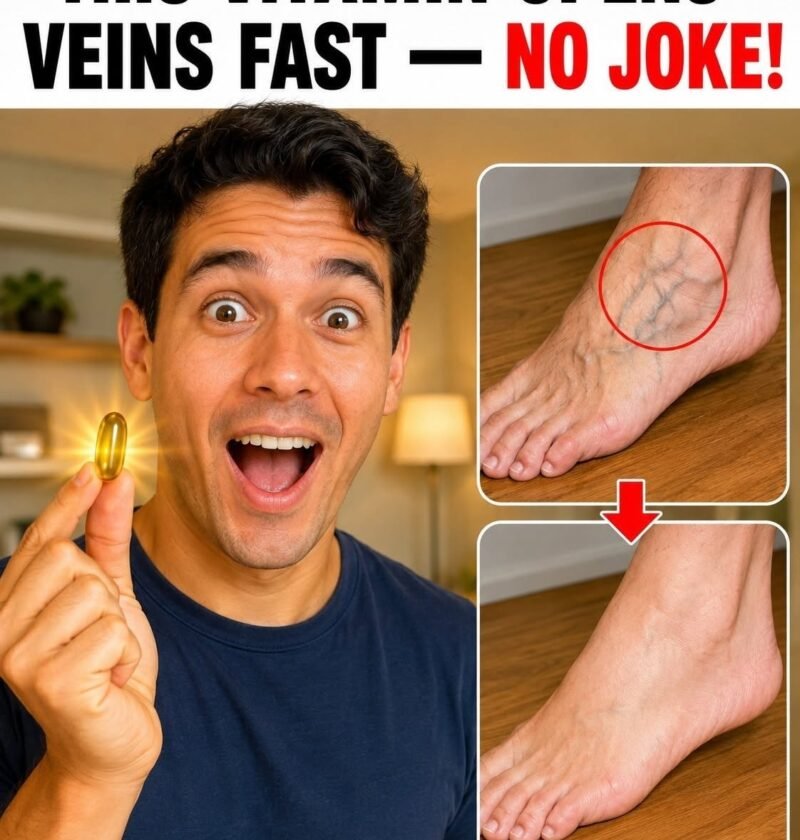
Vitamin K (Essential for Clotting): The liver requires Vitamin K to activate key coagulation proteins—specifically clotting factors II, VII, IX, and X—along with regulatory proteins like Protein C and Protein S. Adequate intake prevents excessive bleeding, and observational research links higher dietary Vitamin K intake with lower cardiovascular risk. However, Vitamin K does not clear blocked leg arteries or repair weak leg veins.
-
Vitamin E (Blood Vessel & Platelet Effects): Vitamin E helps protect cell membranes from oxidative stress and can influence blood vessel dilation and platelet clumping at high supplemental doses. High-dose Vitamin E supplements are not recommended for routine cardiovascular protection and can increase bleeding risk, especially alongside blood thinners.
Daily Intake & Key Food Sources
-
Vitamin K: 120 mcg/day for men and 90 mcg/day for women. Good food sources include spinach, kale, collard greens, broccoli, Brussels sprouts, soybean/canola oils, and fermented or animal foods containing menaquinones.
-
Vitamin E: 15 mg/day for both men and women. Good food sources include almonds, hazelnuts, sunflower seeds, vegetable oils, and leafy greens.
Critical Medication & Safety Considerations in Older Adults
-
Warfarin & Blood Thinners: Vitamin K directly opposes warfarin (Coumadin). People taking warfarin should keep their daily Vitamin K intake consistent rather than swinging wildly or starting Vitamin K supplements on their own, as sudden changes alter INR levels. High-dose Vitamin E can also add to bleeding risk with anticoagulants or antiplatelet drugs.
-
Antibiotics & Absorption: Prolonged antibiotic courses, fat-malabsorption conditions, or certain cholesterol/weight-loss drugs can affect fat-soluble vitamin status.
-
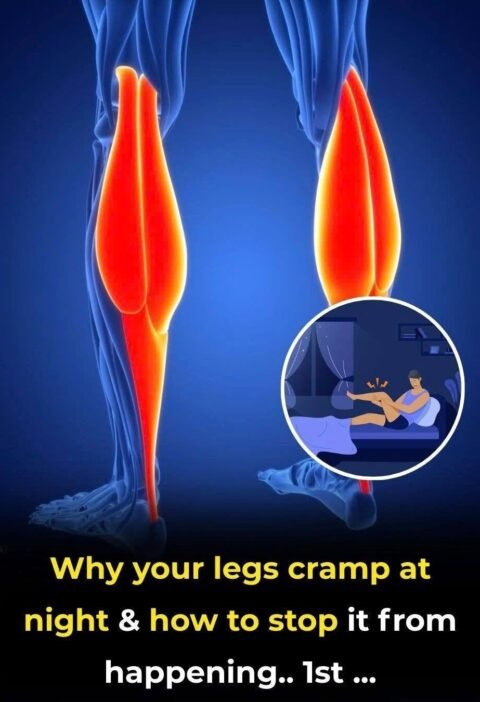
True Leg Circulation Issues: Calf swelling, heaviness, cramping when walking, or skin changes in older adults commonly stem from chronic venous insufficiency, peripheral artery disease (PAD), blood pressure/diabetes factors, or deep vein clots—conditions that require a clinician’s evaluation rather than vitamin pills alone.