What to Do If You Start Seeing Eye Floaters
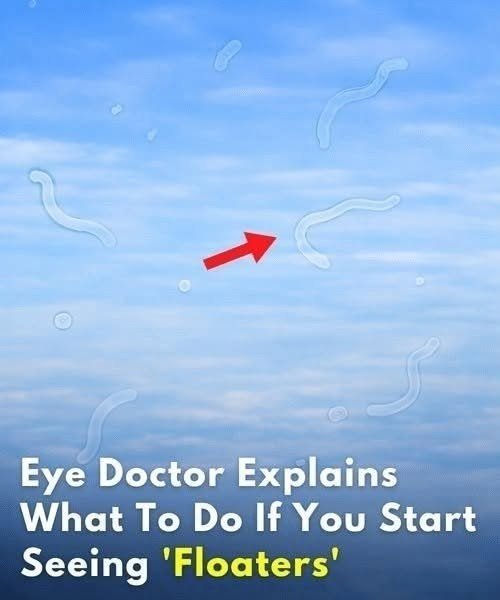
Eye floaters—spots, threads, squiggly lines, or cobweb-like shapes that drift across your vision—are common, particularly as people get older. They often result from normal changes in the vitreous, the gel inside the eye. National Eye Institute+1
But new floaters should not automatically be dismissed as aging.
1. If they suddenly appear, get your eyes checked
A sudden appearance of new floaters, especially a large number of them, can occur when the vitreous pulls away from the retina. Sometimes this causes a retinal tear, which can progress to retinal detachment. A dilated eye examination is used to check the retina. National Eye Institute+1
2. Know the warning signs 🚨
Seek urgent eye care immediately if floaters are accompanied by:
-
Flashes of light
-
A sudden shower or large increase in floaters
-
A dark curtain or shadow across your vision
-
New loss of peripheral (side) vision
-
Blurred or reduced vision
-
Symptoms following an eye injury or eye surgery
These can indicate a retinal tear or detachment, which can cause permanent vision loss if treatment is delayed. AAO+2
3. Don’t try to treat floaters yourself
There isn’t a proven home remedy that makes true vitreous floaters disappear. If they’re caused by normal aging and aren’t interfering significantly with vision, treatment is usually unnecessary; many people eventually notice them less. National Eye Institute
If floaters significantly interfere with daily activities, an ophthalmologist can discuss treatment options. Surgery such as vitrectomy may sometimes be considered, but it carries risks and isn’t routinely needed. National Eye Institute
4. Know who has higher risk
Retinal problems are more likely in people who are very nearsighted, have had cataract or other eye surgery, have experienced significant eye trauma, have diabetes-related retinal disease, or have previously had a retinal tear or detachment. National Eye Institute+1
Bottom line: An occasional long-standing floater is usually not dangerous. A new or suddenly increasing number of floaters—particularly with flashes or any change in vision—should be treated as an eye emergency until a professional has examined the retina. AAO+1