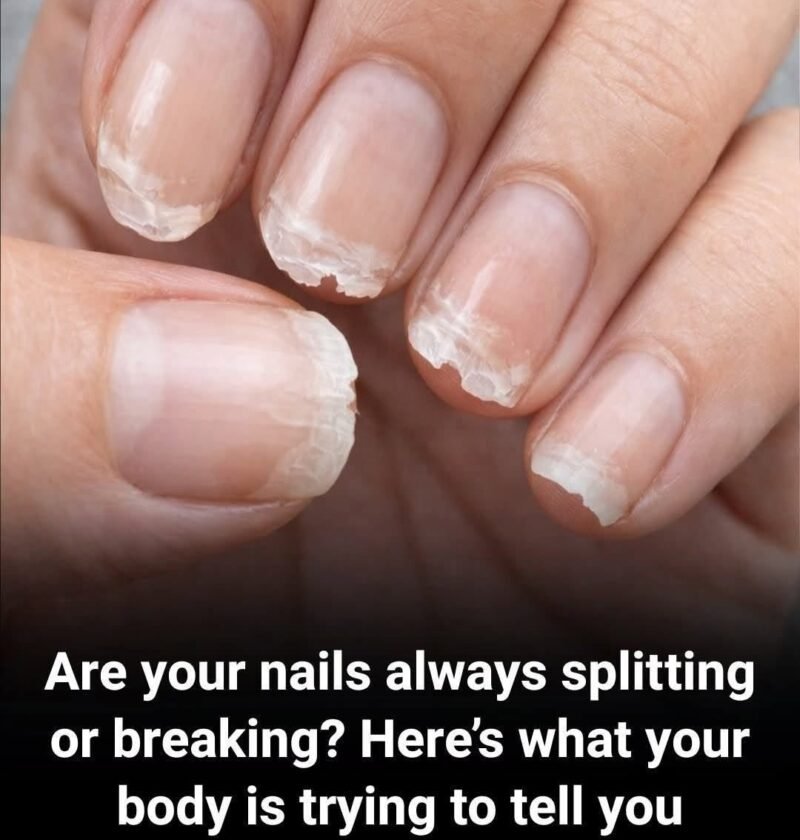
When your fingernails or toenails become chronically weak, paper-thin, prone to peeling in layers, or snap off at the slightest bump, it’s easy to dismiss it as a simple cosmetic annoyance or blame it on frequent handwashing.
However, your nails act like a diagnostic window into your overall systemic health. Because nail plates are formed from layers of keratin protein and require a steady supply of nutrients and oxygen to grow, persistent brittleness is often your body’s way of signaling an underlying nutritional shortfall or physiological imbalance.
Here is what weak and brittle nails are most commonly trying to tell you:
1. Nutritional Deficiencies (The Core Culprits)
Just like hair and skin, nails are entirely dependent on the fuel you put into your body. When specific building blocks are missing, nail growth slows and structural integrity collapses:
-
Biotin (Vitamin B7): One of the most famous nail-strengthening nutrients. A deficiency directly impairs keratin production, resulting in soft, splitting nails.
-
Iron and Anemia: If your nails are not only brittle but also curve upward or become spoon-shaped (a condition called koilonychia), it frequently points to iron-deficiency anemia. Low iron means less oxygen reaches your nail matrix, starving the tissue.
-
Zinc and Protein: Zinc is essential for cell division and tissue growth (including nail plate formation). A chronic lack of dietary protein or zinc leads to slow growth and white spots or weak ridges.
2. Thyroid Imbalances (Hypothyroidism)
Your thyroid gland regulates your body’s metabolic rate, which dictates how quickly your cells—including your nail cells—turn over and grow.
-
The Connection: An underactive thyroid (hypothyroidism) slows down metabolic processes across the board. This causes your nails to grow sluggishly, become dry, brittle, thick, and prone to splitting or cracking.
3. Chronic Dehydration (Internal and External)
Nails need a healthy moisture balance—ideally around 18% water content—to remain flexible. When they drop below that, they dry out completely.
-
The Connection: Chronic internal dehydration, combined with aggressive external factors like frequent handwashing with harsh soaps, exposure to household cleaning chemicals, or continuous use of acetone-based nail polish removers, strips away natural oils and protective lipids, turning nails into brittle chips.
4. Circulatory Issues
Your nail beds are packed with an intricate network of tiny blood vessels (capillaries) that deliver vital nutrients right to the root of the nail. Conditions that restrict peripheral blood flow—such as poor circulation or cold exposure—can starve the nail bed of the continuous nourishment it needs to produce strong keratin.
Simple Ways to Restore Strength
If you want to move beyond surface-level clear polishes and strengthen your nails from the inside out, focus on targeted support:
-
Nourish from Within: Ensure your diet includes healthy fats, high-quality proteins, iron-rich foods (or a targeted supplement if deficiency is confirmed by a doctor), and biotin-rich foods like eggs, nuts, and sweet potatoes.
-
Protect Your Hands: Wear rubber gloves when doing dishes or cleaning with chemicals, and ditch harsh acetone removers for nourishing, oil-based alternatives.
-
Moisturize the Matrix: Massage cuticle oil or a rich hand cream containing vitamin E or shea butter right into the base of your nail daily to lock in moisture.