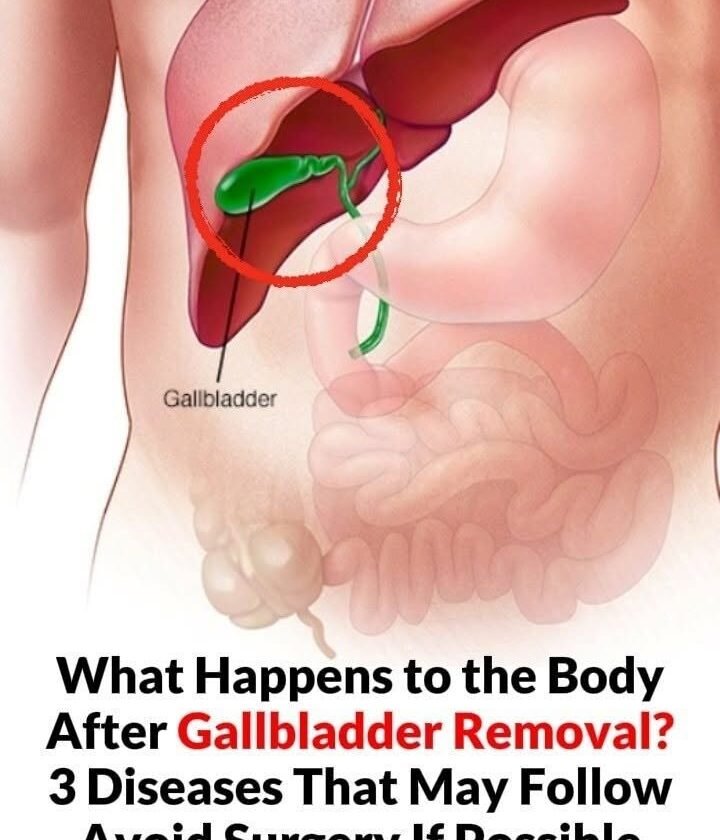
Removing the gallbladder (cholecystectomy) is one of the most common surgical procedures in the world. When a gallbladder is dangerously inflamed, infected, or packed with stones causing acute agonizing pain, surgery is a literal life-saver.
However, because the internet and medical culture sometimes treat gallbladder removal as a consequence-free “quick fix” for minor biliary discomfort, many patients are blindsided by what happens after the organ is gone. The gallbladder isn’t a useless pouch; it acts as a crucial storage reservoir for bile produced by your liver, releasing it on demand to digest fats.
When that reservoir is removed, your liver must drip bile continuously straight into your small intestine. This anatomical shift can trigger several chronic conditions. Here are 3 conditions you could develop after gallbladder removal, and why preserving the organ through lifestyle and dietary management is always the preferred first choice when medically possible.
1. Chronic Postcholecystectomy Diarrhea (Bile Acid Malabsorption)
Without a gallbladder to store and concentrate bile, bile drips in a slow, continuous stream into your digestive tract.
-
The Mechanism: When you eat a heavy, fatty, or greasy meal, your body often needs a sudden, concentrated surge of bile to break down those fats. Without it, the unabsorbed bile acids rush rapidly through your intestines, pulling excess water into the colon.
-
The Result: This leads to chronic, unpredictable bouts of urgent watery diarrhea, bloating, and cramping (known as bile acid diarrhea), which can plague patients for months or even years post-surgery and requires lifelong medication binders like cholestyramine.
2. Small Intestinal Bacterial Overgrowth (SIBO) and Reflux
The constant, unregulated dripping of bile—coupled with a potential drop in overall digestive enzyme efficiency—fundamentally changes the microbiome and chemical environment of your gut.
-
The Mechanism: Normal, healthy bile acts as a natural antimicrobial defense that helps keep bacterial populations in check. A continuous, diluted trickle of bile is far less effective at regulating gut bacteria than periodic, concentrated bursts. Furthermore, many post-op patients experience a distinct increase in duodenogastric reflux, where bile splashes backward up into the stomach and esophagus.
-
The Result: This disruption can foster SIBO (Small Intestinal Bacterial Overgrowth), leading to severe chronic bloating, gas, abdominal distension, and nutrient malabsorption, alongside painful acid reflux.
3. Continuation or Worsening of Biliary Symptoms (“Postcholecystectomy Syndrome”)
Perhaps the most frustrating reality for patients is that removing the gallbladder does not always stop the symptoms that led to the surgery in the first place.
-
The Mechanism: Up to 15% to 30% of patients experience “Postcholecystectomy Syndrome,” continuing to suffer from right upper quadrant abdominal pain, nausea, and indigestion identical to their pre-surgery gallbladder attacks. This happens because the root cause—often sluggish bile flow, sphincter of Oddi dysfunction, or microscopic sludge in the main bile ducts—was never solved by simply excising the storage pouch.
Why You Should Avoid the Surgery When Possible
Surgeons remove millions of gallbladders safely, but because living without one forces your digestive system into a permanent state of adaptation (often requiring lifelong dietary adjustments, fat restriction, or digestive enzyme supplementation), it should be viewed as a last resort for acute disease—not a lifestyle choice for mild, manageable sluggishness.
When possible, supporting gallbladder health through hydration, regular meal patterns (skipping meals causes bile to stagnate and form sludge), healthy fats, and managing cholesterol helps prevent stone formation in the first place.