⚠️ Dangerous Misinformation Warning: The “Cough CPR” Myth
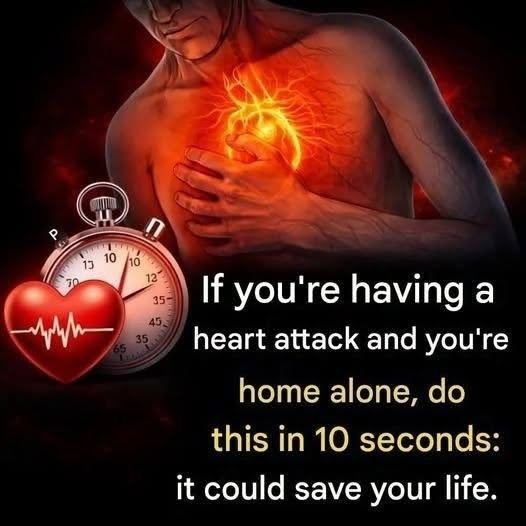
The viral claim that you can survive a heart attack at home by performing forceful, repeated coughing (often called “Cough CPR”) in 10 seconds is a dangerous medical myth.
Cardiologists and emergency medical experts strongly warn that Cough CPR is not a substitute for actual medical treatment or CPR, and attempting it during a real heart attack can be fatal.
Why “Cough CPR” is a Dangerous Myth
-
It Does Not Stop a Heart Attack: A heart attack (myocardial infarction) happens when a blood clot blocks blood flow to a section of the heart muscle. Coughing cannot dissolve a blood clot or restore blood flow to a blocked coronary artery.
-
It Is Only Meant for a Very Specific Hospital Scenario: The concept of coughing originated from a rare, controlled medical setting where a patient’s heart rhythm briefly malfunctions while they are hooked up to an ECG machine in a hospital cardiac catheterization lab under direct doctor supervision. It is never meant for someone experiencing a standard heart attack at home.
-
It Wastes Precious Time: Wasting critical seconds trying to cough or following unverified internet hacks delays the only action that actually saves lives during a heart attack: calling emergency services immediately.
What You Should Actually Do in a Heart Attack Emergency
If you or someone at home experiences symptoms of a heart attack (such as crushing chest pain, pressure or tightness, shortness of breath, pain radiating to the jaw, neck, or left arm, sudden cold sweats, or nausea):
-
Call Emergency Services Immediately (e.g., 911 or your local emergency number): Do not wait to see if the pain passes. Every minute matters.
-
Chew Aspirin (If Recommended by Dispatch): If the person is not allergic to aspirin and has no history of severe bleeding disorders, emergency dispatchers often instruct them to chew and swallow a regular aspirin. Aspirin helps prevent blood platelets from clumping, slowing down the growth of a blood clot.
-
Stay Calm and Sit Down: Rest quietly and try not to exert yourself while waiting for emergency responders to arrive.