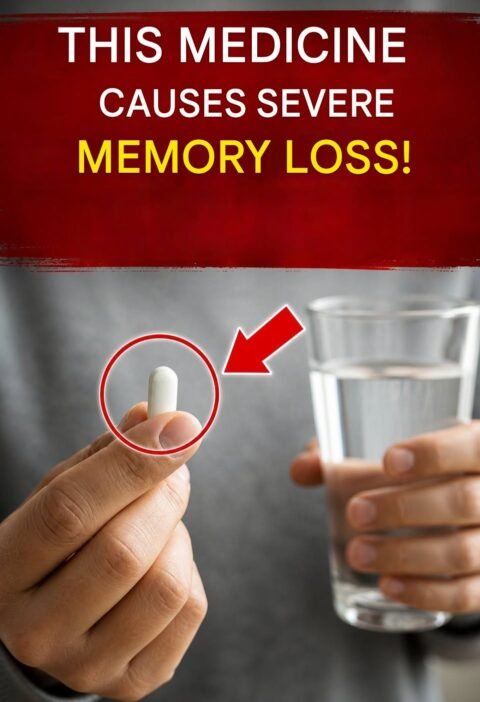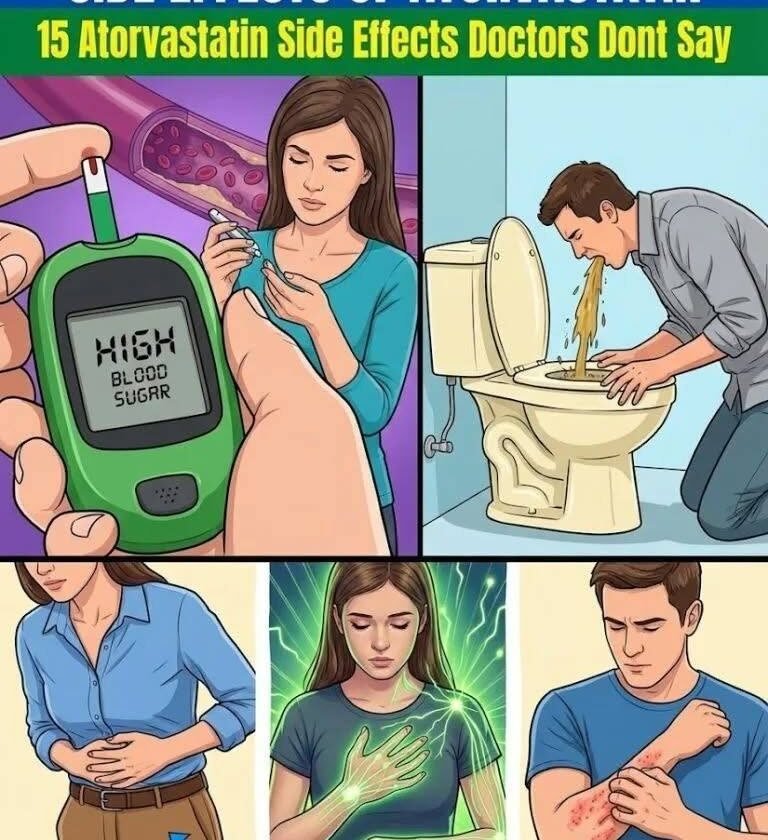
Clickbait titles love to tease dramatic, “hidden” lists of drug dangers to spark anxiety before a pharmacy refill. Atorvastatin (Lipitor) is one of the most thoroughly studied and widely prescribed statins in the world, utilized effectively to lower LDL cholesterol and reduce cardiovascular events.
However, beyond the most common discussions of muscle aches, looking closely at how statins interact with metabolism, the nervous system, and musculoskeletal tissues reveals several lesser-discussed or nuanced side effects that patients experience.
Nuanced and Lesser-Discussed Atorvastatin Effects
While clinical trials document broad safety profiles, patients occasionally report or experience several less common physiological shifts:
-
Mild Cognitive Complaints (“Brain Fog”): Some patients report transient forgetfulness, confusion, or difficulty concentrating. While large-scale reviews by the FDA and cardiology organizations have not established a permanent cognitive decline link caused by statins, individual sensitivity can occasionally lead patients to notice subtle mental sluggishness.
-
Asymptomatic Liver Enzyme Elevations: Atorvastatin is processed by the liver. In a small percentage of users, routine blood work reveals a mild, reversible bump in liver aminotransferases without actual liver damage. Doctors routinely check baseline panels for this reason.
-
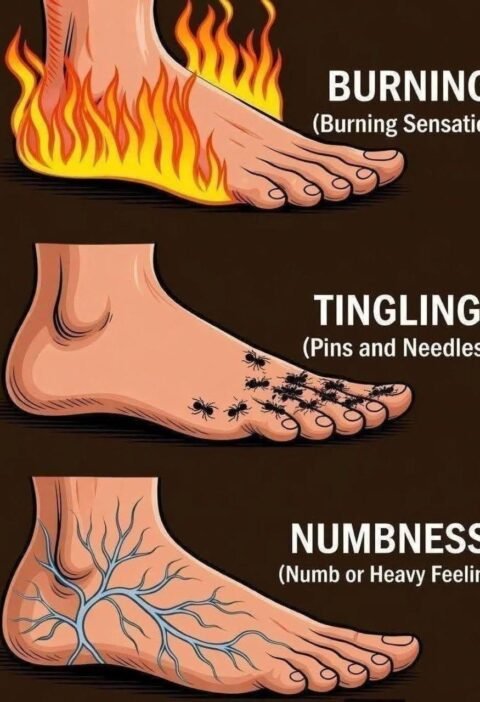
Mild Peripheral Neuropathy: Rarely, statin use has been associated with tingling, numbness, or a “pins and needles” sensation in the hands or feet.
-
Subtle Tendon Discomfort: Beyond general muscle soreness (myalgia), some individuals experience localized tightness or inflammation in tendons (such as the Achilles tendon), requiring careful distinction from standard exercise strain.
-
Mild Gastrointestinal Shifts: While not severe for most, statins can occasionally alter gut motility, presenting as mild nausea, gas, indigestion, or loose stools as the body adjusts.
The Balance of Benefits and Management
For individuals with high cardiovascular risk, diabetes, or a history of heart disease, the proven benefit of preventing heart attacks and strokes vastly outweighs the risk of these side effects.
-
Never Stop Abruptly: Stopping a statin suddenly out of fear can cause a rebound surge in cholesterol and increase acute cardiovascular vulnerability.
-
Communicate with Your Physician: If you experience persistent muscle weakness, unexplained fatigue, or unusual cognitive shifts while taking atorvastatin, do not simply endure it—schedule a conversation with your doctor. Adjusting the dosage, switching to a different statin molecule, or evaluating alternative schedules can often resolve symptoms while keeping your heart protected.