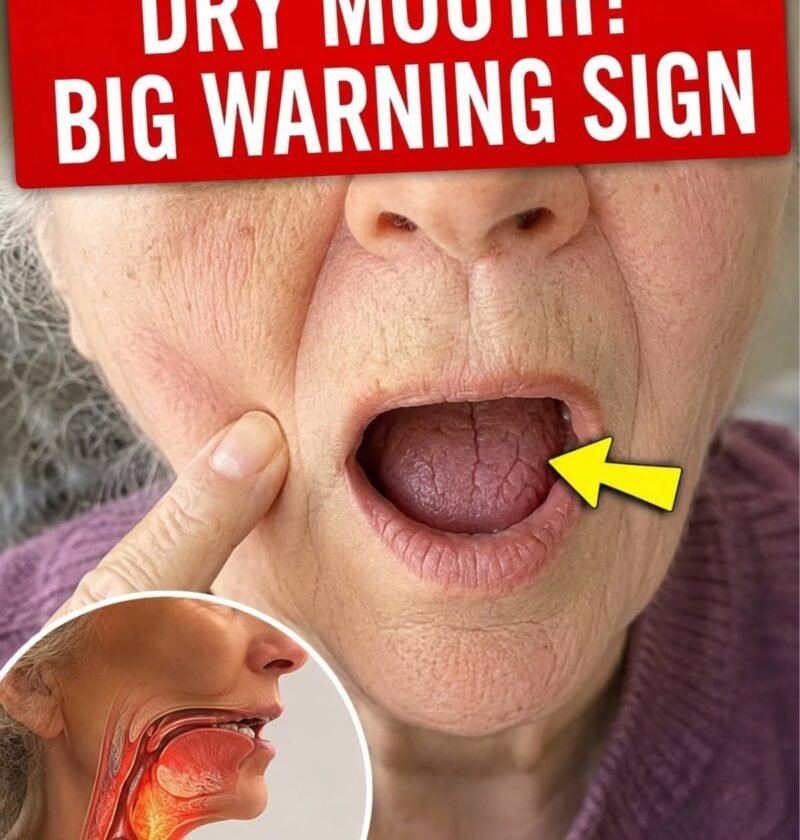
When people experience persistent dry mouth—medically known as xerostomia—as they get older, it is very common to shrug it off as an inevitable part of aging. However, from a physiological standpoint, dry mouth is not caused by the calendar; it is caused by salivary hypofunction (saliva production shutting down).
Understanding what happens beneath the surface reveals why saliva is crucial, why it stops, and what you can do about it.
1. The Anatomy of Saliva Shutdown: Why It Happens
Saliva is produced by major and minor salivary glands scattered throughout the mouth, governed by the autonomic nervous system. When those glands slow down or stop, it is typically driven by specific triggers rather than aging alone:
-
Medication-Induced Suppression (The Leading Cause): Over 500 commonly prescribed medications interfere with the chemical signals that prompt salivary glands to secrete fluid. These include:
-
Blood pressure drugs (diuretics, beta-blockers)
-
Antidepressants and anti-anxiety medications
-
Antihistamines and decongestants
-
Pain relievers and muscle relaxants
-
-
Autoimmune and Systemic Conditions: Conditions like Sjögren’s syndrome cause the body’s immune system to mistakenly attack moisture-producing glands. Diabetes, thyroid disorders, and nerve damage can also impair secretory function.
-
Treatment Side Effects: Radiation therapy targeting the head and neck can permanently damage salivary tissue, while certain chemotherapies cause temporary shutdown.
-
Lifestyle and Habitual Factors: Chronic mouth-breathing (due to a deviated septum, nasal polyps, or sleep apnea), persistent low-grade dehydration, and tobacco or heavy alcohol use dry out the oral mucosa directly.
2. Why Saliva is Your Mouth’s Shield
Saliva is far more than just water; it is a complex biological fluid packed with enzymes, electrolytes, antibodies, and minerals. When saliva flow shuts down, the body loses multiple protective layers:
-
Enzymatic Digestion: Saliva contains amylase, which begins the breakdown of starches the moment food enters your mouth, making swallowing and digestion possible.
-
Enamel Remineralization: Saliva is supersaturated with calcium and phosphate. It constantly bathes tooth enamel, repairing microscopic mineral losses and neutralizing plaque acids. Without it, cavities can develop rapidly and aggressively, even in adults who rarely got them before.
-
Microbial Defense: Saliva contains natural immunoglobulins (like IgA) and antimicrobial proteins (like lysozyme) that keep opportunistic fungi (like Candida, causing oral thrush) and pathogenic bacteria in check.
3. Comprehensive Strategies to Manage and Restore Comfort
Because dry mouth is a sign that a system is under-resourced or blocked, managing it requires a multi-pronged approach:
-
Medication Review: If a drug is the root cause, a physician can often evaluate whether an alternative medication, a dosage adjustment, or a change in timing can reduce the side effect.
-
Saliva Stimulation:
-
Chew sugar-free gum or suck on sugar-free hard candies containing xylitol, which mechanically stimulates the salivary glands while helping prevent cavities.
-
Sip water frequently throughout the day rather than gulping it all at once.
-
-
Topical Substitutes and Mouthwashes: Over-the-counter artificial saliva sprays, rinses, and lubricating gels coat the oral tissues, mimicking natural moisture and providing relief during sleep.
-
Aggressive Dental Protection: Because the risk of decay and gum disease skyrockets without saliva, rigorous daily hygiene, high-fluoride prescription toothpastes, and more frequent dental check-ups are vital.
-
Environmental Adjustments: Using a bedside humidifier at night can prevent mouth tissues from drying out excessively if you breathe through your mouth while sleeping.
Pinpointing whether dry mouth stems from a medication, an underlying condition, or a structural habit is the first step toward protecting your oral health and restoring comfort.