Recognizing the warning signs of severe heart distress can save a life. While some heart conditions develop gradually, acute emergencies like a heart attack or severe arrhythmia often present with distinct, unmistakable red flags.
Here are 7 serious signs that indicate your heart may be in danger and requires immediate medical attention:
1. Crushing Chest Pain, Pressure, or Tightness
-
What it feels like: Often described as a heavy weight, squeezing, fullness, or crushing pain in the center or left side of the chest. It may last more than a few minutes or come and go.
-
Why it happens: This occurs when the heart muscle is starved of oxygen due to a blocked coronary artery (myocardial infarction).
2. Pain Radiating to the Arm, Jaw, Neck, or Back
-
What it feels like: Discomfort that spreads outward from the chest into one or both arms (particularly the left arm), the shoulder, the upper back, the jaw, or the stomach.
-
Why it happens: Nerve pathways traveling from the heart share spinal cord pathways with nerves in the upper body, causing the brain to misinterpret the origin of the pain (referred pain).
3. Sudden, Severe Shortness of Breath (Dyspnea)
-
What it feels like: Feeling like you cannot catch your breath, whether you are exerting yourself or resting quietly. It is often accompanied by a feeling of suffocating or panic.
-
Why it happens: When the heart is failing to pump efficiently, blood backs up into the lungs, causing fluid to accumulate and making it difficult to breathe.
4. Cold Sweats, Dizziness, or Lightheadedness
-
What it feels like: Breaking out in a cold, clammy sweat for no apparent reason, accompanied by sudden weakness, vertigo, or feeling like you might faint.
-
Why it happens: A struggling heart causes a sudden drop in blood pressure and inadequate blood flow to the brain and skin.
5. Sudden, Unexplained Extreme Fatigue
-
What it feels like: An overwhelming sense of exhaustion that hits suddenly, making even simple tasks like walking across a room or climbing stairs feel impossible.
-
Why it happens: The heart is failing to circulate enough oxygen-rich blood to meet the body’s metabolic demands, leaving muscles and organs starved of energy.
6. Rapid or Irregular Heartbeat (Palpitations with Distress)
-
What it feels like: Your heart is racing, pounding, fluttering, or skipping beats violently, often accompanied by chest discomfort, dizziness, or shortness of breath.
-
Why it happens: This can indicate a dangerous arrhythmia (such as ventricular tachycardia or atrial fibrillation), where the heart’s electrical system malfunctions.
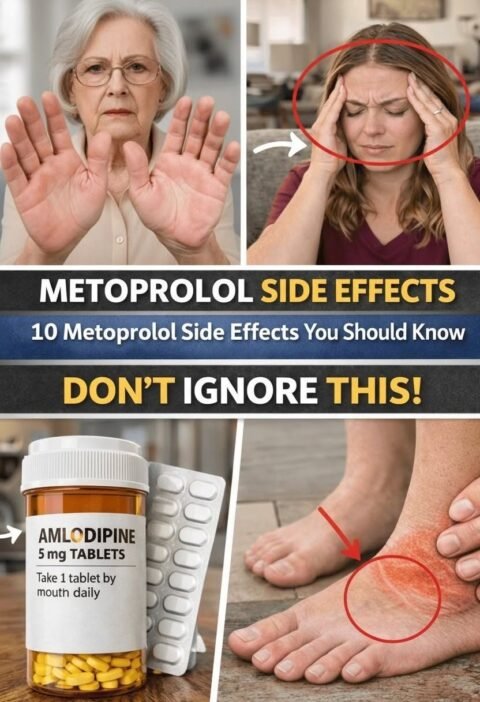
7. Swelling in the Legs, Ankles, or Feet (Edema)
-
What it feels like: Rapid, unexplained fluid retention in the lower extremities, where pressing a finger into the skin leaves an indentation (pitting edema).
-
Why it happens: This is a classic sign of congestive heart failure, where the heart can no longer pump blood forward effectively, causing fluid to back up in the circulatory system and leak into surrounding tissues.
What to Do in an Emergency
Call Emergency Services Immediately: If you or someone else experiences sudden chest pain, shortness of breath, or a combination of these warning signs—especially if the symptoms last longer than a few minutes or worsen—do not wait. Call emergency services immediately. Quick medical intervention during a cardiac event can restore blood flow and prevent permanent damage to the heart muscle.