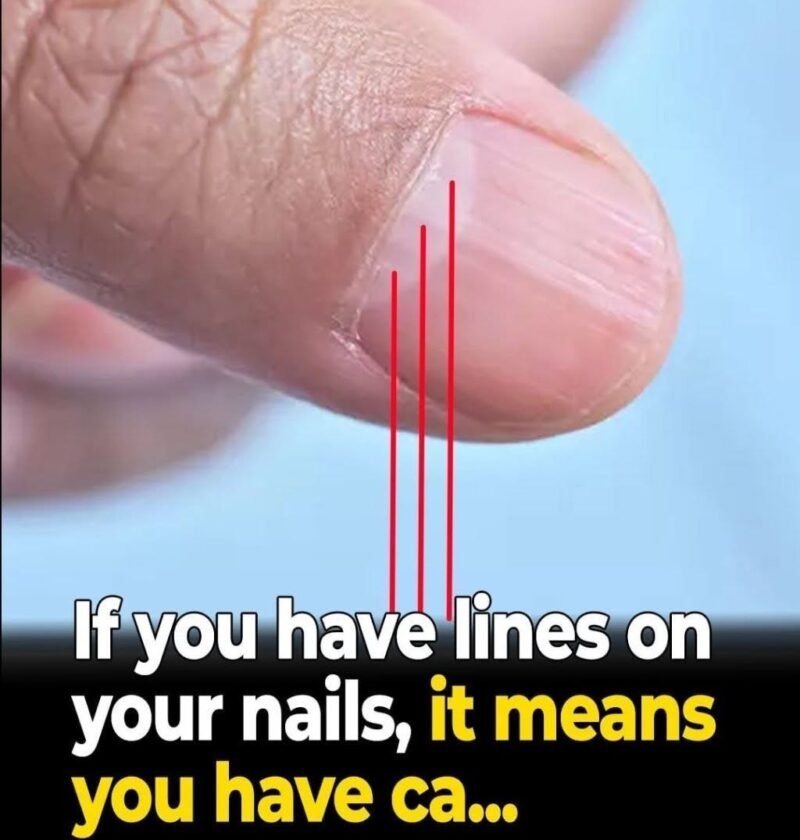
When looking down at your hands, you might notice small, linear tracks running from your cuticle up to the tip of your nail. Known medically as longitudinal or vertical ridges, these lines often spark immediate worry about underlying health problems or premature aging.
Separating fact from fiction regarding vertical nail lines helps clarify what is a normal variation of the human body versus what warrants a conversation with a healthcare provider.
Fact vs. Fiction: Vertical Nail Lines
| Myth / Fiction | The Medical Fact |
| “Vertical lines mean you have a terminal illness or severe organ failure.” | False. In the vast majority of cases, vertical ridges are entirely harmless and benign. They are simply a reflection of how nail cell production changes over time. |
| “They are exclusively a sign of getting older.” | Partially True, but incomplete. While natural aging is the most common cause—much like fine wrinkles forming on the skin—they can also appear in younger adults due to genetics, temporary nutritional gaps, or dry skin. |
| “If you scrub or file them hard enough, they will go away permanently.” | False. Buffing can temporarily smooth the nail surface, but because the lines originate from the nail matrix (the tissue beneath the cuticle where nail growth begins), they will continue to grow out the same way unless an underlying systemic or moisture cause is addressed. |
What Actually Causes Vertical Ridges?
If your nails are developing these tracks, several common factors are typically at play:
-
The Natural Aging ProcessAs we age, the rate at which our cells turnover and the way our nails grow changes. Just as skin loses elasticity and develops lines, the nail plate can develop structural irregularities, making longitudinal ridges more prominent.
-
Chronic Dryness and Dehydration Nails require a balance of moisture and natural oils to remain smooth and flexible. Severe environmental dryness, frequent hand-washing, or chronic dehydration can cause the nail plate to shrink slightly and ridge.
-
Nutritional GapsWhile less common than aging, a lack of certain vitamins and minerals—such as iron, zinc, or specific B vitamins—can subtly alter nail production and texture.
-
Dermatological or Inflammatory ConditionsIn some instances, more pronounced or sudden vertical ridging can be associated with skin conditions that affect the nail bed or matrix, such as eczema, psoriasis, or lichen planus.
Vertical Lines vs. Horizontal Lines: Know the Difference
It is important not to confuse vertical lines with horizontal depressions:
-
Vertical Lines (Top-to-Bottom): Generally harmless, slow-developing, and tied to aging or minor dryness.
-
Horizontal Lines (Side-to-Side / Beau’s Lines): These look like deep grooves or dents running across the nail width. They indicate that nail growth was temporarily halted due to an acute illness, high fever, severe stress, or physical trauma.
Proactive Steps for Healthier Nails
-
Prioritize Moisture: Apply a rich hand cream or cuticle oil daily—especially right after washing your hands. Slathering on a thick moisturizer and wearing cotton gloves overnight can deeply replenish dry nails.
-
Protect Your Hands: Wear rubber gloves when doing household chores that involve harsh chemicals, detergents, or prolonged immersion in water.
-
Be Gentle with Manicures: Limit the use of harsh acetone polish removers, and give your nails regular breaks from gel polishes or acrylics, which strip the nail plate of essential moisture.
-
Support from Within: Maintain a balanced diet rich in lean proteins, healthy fats, and micronutrients to support optimal cellular turnover.
When to see a doctor: If your vertical ridges are accompanied by splitting, pain, discoloration, a change in the shape of your fingertips, or if the nail structure begins to alter drastically, it is worth consulting a primary care provider or dermatologist to rule out underlying deficiencies or systemic concerns.
Are you noticing any other changes in your nails alongside these lines, or are you looking into this for general nail care?