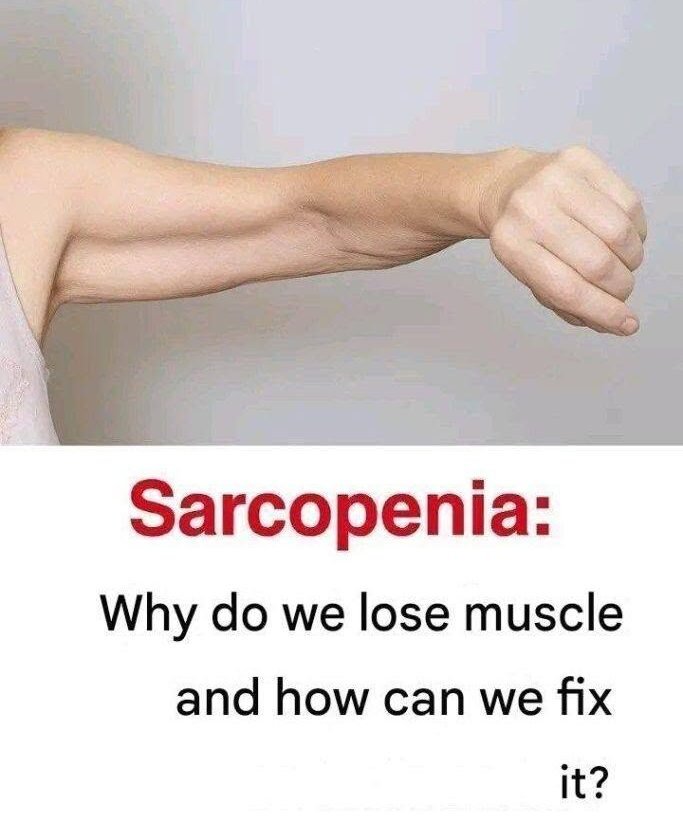
As we age, it is common to notice a gradual shift in our physical strength and energy. While losing a bit of muscle tone is often casually dismissed as a normal part of getting older, progressive and accelerated muscle loss has a medical name: sarcopenia.
Unlike normal age-related weakening, sarcopenia involves a significant loss of muscle mass, strength, and function, which can impact mobility, independence, and overall metabolic health.
Here is what causes sarcopenia, how to recognize the signs, and—most importantly—proven solutions to rebuild and protect your muscle health.
1. What Causes Sarcopenia?
Sarcopenia is a multifactorial condition, meaning it is driven by a combination of biological shifts over time:
-
The Aging Muscle Clock (Anabolic Resistance): Starting around age 30, adults naturally begin to lose a small percentage of muscle mass each decade. As we get older, our muscles also become less responsive to protein intake and exercise—a phenomenon called anabolic resistance, making it harder to build and maintain tissue.
-
Hormonal Changes: Declining levels of key anabolic hormones—such as testosterone, growth hormone, and estrogen—reduce the body’s internal signals for muscle synthesis.
-
Chronic Low-Grade Inflammation: Aging is often accompanied by a steady increase in systemic inflammation, which can tip the balance in favor of muscle protein breakdown over muscle building.
-
Physical Inactivity: This is one of the most powerful accelerators of sarcopenia. “Use it or lose it” is an absolute biological reality for muscle tissue; a sedentary lifestyle speeds up muscle atrophy drastically.
-
Inadequate Nutrition: Consuming too little daily protein or overall calories starves the body of the essential building blocks required to repair and maintain muscle fibers.
2. Recognizing the Signs
Sarcopenia is more than just feeling a little weaker; it manifests in daily life through specific functional clues:
-
Struggling to rise from a deep chair or lifting a bag of groceries that used to feel effortless.
-
A noticeable slowing down of your walking speed.
-
Unintended loss of physical stamina or a frequent feeling of overall fatigue.
-
A noticeable decrease in limb size or muscle definition.
3. Proven Solutions: How to Combat and Reverse Sarcopenia
The encouraging news is that sarcopenia is not an inevitable or irreversible fate. Even in later decades, muscles remain remarkably adaptable and responsive to intervention.
A. Progressive Resistance Training (The Gold Standard)
Aerobic exercise like walking is fantastic for heart health, but it does not build muscle mass. To counter sarcopenia, you need resistance.
-
What to do: Engage in strength training exercises 2 to 3 times a week. This doesn’t necessarily mean heavy gym barbells—bodyweight exercises (like assisted squats, wall push-ups, or sit-to-stands from a chair), resistance bands, or handheld dumbbells all stimulate muscle fibers effectively.
-
The “Progressive” Principle: As movements become easier, gradually increase the challenge by adding a bit more resistance, repetitions, or sets to continually signal your muscles to adapt and grow.
B. Optimize Protein Intake and Timing
Many older adults consume far less protein than their bodies need to maintain muscle tissue, especially given anabolic resistance.
-
Aim Higher: While the baseline recommended daily allowance is modest, research suggests that active older adults benefit from aiming for roughly 1.2 to 1.5 grams of protein per kilogram of body weight daily (distributed evenly across meals).
-
Focus on Leucine: High-quality protein sources rich in the amino acid leucine—such as eggs, poultry, fish, lean beef, dairy, and plant-based options like tofu, tempeh, and legumes—are especially effective at triggering muscle protein synthesis.
C. Ensure Adequate Vitamin D and Overall Nutrition
-
Vitamin D deficiency is closely linked to muscle weakness and impaired balance. Getting adequate sunlight or checking your levels with a doctor can help protect neuromuscular function. Staying well-hydrated is equally vital for cellular function and preventing cramps.
Putting It Into Perspective
Whether you are looking to future-proof your own physical independence or supporting an older loved one, incorporating even small amounts of strength-focused movement and protein-conscious eating can make a profound difference.
Are you looking at ways to build a strength routine for yourself, or are you exploring this to help support someone else’s mobility?