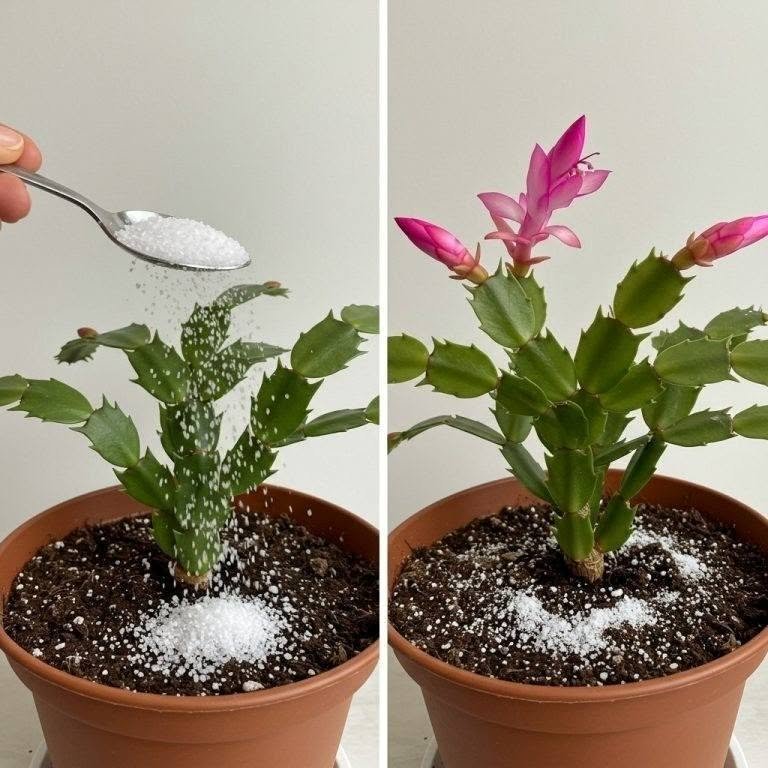
Headlines like “Fall Awakening: Breathing Life into House Flowers with a Little Secret” tap into the cozy, nurturing aesthetic of plant care, often promising a magical kitchen ingredient—like sugar water, coffee grounds, eggshell tea, or baking soda—that will instantly revive drooping indoor plants or trigger a massive bloom.
While autumn is a genuine turning point for indoor plant care, real horticulture doesn’t rely on secret elixirs. Here is what these viral plant “hacks” actually do, and what your houseplants truly need as the seasons shift.
The Allure vs. The Reality of Viral Plant “Secrets”
Many social media gardening videos suggest dumping kitchen scraps or strange chemical mixes into your potted plants to “awaken” them. While some organic materials break down into nutrients over time, uncomposted kitchen additions often backfire:
-
The “Sugar Water” Myth: Pouring sugar water into soil feeds harmful soil bacteria and fungi rather than the plant, attracting gnats, ants, and pests while choking off root oxygen.
-
Over-Amending with Kitchen Scraps: Dumping raw coffee grounds or crushed eggshells directly onto the soil surface without composting can create mold layers, alter soil pH unpredictably, or block water absorption.
What Actually Happens to Houseplants in the Fall
Autumn brings a major environmental shift indoors that explains why plants often look a bit sad around this time of year:
-
Dwindling Sunlight: As daylight hours shrink and the sun sits lower in the sky, indoor light levels drop drastically. Plants that thrived near a window all summer suddenly experience a drastic reduction in photosynthesis.
-
Indoor Heating and Dry Air: Turning on central heating dries out the ambient air, stripping humidity that tropical houseplants crave and rapidly drying out topsoil—or conversely, leading to overwatering if watering schedules aren’t adjusted.
-
Entering Dormancy: Many houseplants naturally slow down or pause their active growth during fall and winter, meaning they require less water and virtually zero fertilizer.
How to Give Your Plants a Genuine “Fall Awakening”
Instead of looking for a miracle kitchen secret, supporting your houseplants through the seasonal transition involves a few simple, science-backed steps:
-
Adjust Your Watering Routine: Because growth slows down and evaporation rates drop indoors, check the soil depth before watering. Overwatering in the fall and winter is the number one killer of houseplants because damp roots in cooler soil easily rot.
-
Optimize Light Exposure: Move sun-loving tropical plants closer to your brightest windows (south- or west-facing, if possible) to help compensate for shorter autumn days.
-
Hold Off on Fertilizer: Forcing a plant to grow with fertilizer when natural light is declining stresses the plant out. Save heavy feeding for the active growing season in spring and summer.
-
Boost Humidity (Gently): Grouping moisture-loving plants together or placing them near a pebble tray helps combat the dry air kicked off by indoor heaters.
Have you noticed your indoor plants acting a bit sluggish as the weather changes, or do you have a favorite green companion you’re trying to prep for the colder months?