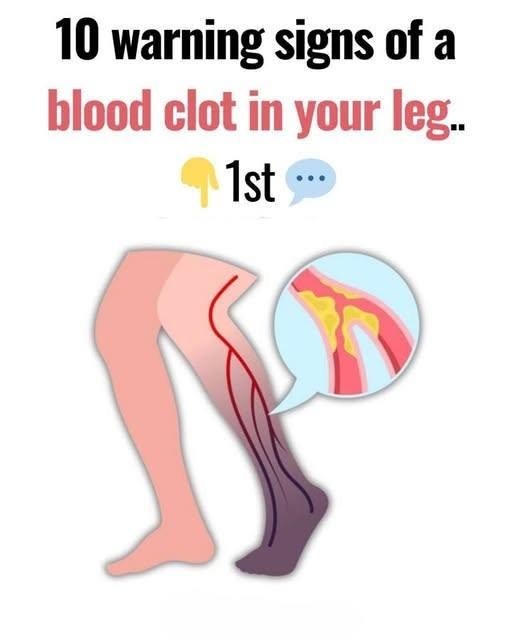
The phrase “10 Warning Signs of a Blood Clot in the Leg You Should Know” is a classic example of health clickbait. Articles with headlines like this love to exploit our deepest fears by taking a terrifying medical emergency—a deep vein thrombosis (DVT)—and turning it into an ambiguous listicle designed to scare anyone who experiences a mild muscle cramp or a swollen ankle after a long flight into thinking they are hours away from catastrophe.
While a blood clot in the deep veins of the leg is a serious medical condition that requires prompt evaluation, real vascular warning signs are distinct and follow specific physiological patterns, rather than being hidden in a vague 10-item list of random aches.
What Is a Deep Vein Thrombosis (DVT)?
A DVT occurs when a blood thrombus (clot) forms in one of the deep veins inside your body, usually in the lower leg, thigh, or pelvis. When a clot blocks normal blood flow, blood backs up, causing localized pressure, inflammation, and swelling.
The True Hallmark Warning Signs of a Leg Blood Clot
Unlike general fatigue or everyday muscle soreness from a workout, a DVT typically presents with very specific physical indicators, usually occurring in only one leg:
-
Unilateral Swelling (Swelling in Just One Leg or Ankle):
-
Why it happens: If a clot blocks blood from returning upward toward the heart, fluid pools in the affected limb. If only your left calf or ankle swells up while the right remains normal, it is a significant clinical red flag.
-
-
Localized Pain, Tenderness, or Cramping:
-
Why it happens: The trapped blood and inflammation irritate surrounding muscle tissue and vein walls. This often feels like a deep, persistent cramp or severe muscle ache—frequently starting in the calf—that doesn’t go away with stretching or resting.
-
-
Skin Discoloration or Redness:
-
Why it happens: The restriction of blood flow and resulting inflammation can cause the skin over the affected area to look noticeably red, pale, or slightly bluish/purple.
-
-
Increased Warmth to the Touch:
-
Why it happens: The restricted blood flow and inflammatory response often make the skin over the clot feel distinctly warmer than the surrounding tissue.
-
The Ultimate Red Flag: When It Moves (Pulmonary Embolism)
The primary danger of an untreated DVT is that a piece of the clot can break loose, travel through the bloodstream, and lodge in the lungs, causing a Pulmonary Embolism (PE).
Seek emergency medical care immediately if leg pain or swelling is accompanied by any of these urgent symptoms:
-
Sudden, unexplained shortness of breath or difficulty breathing.
-
Sharp, stabbing chest pain that often worsens when you take a deep breath or cough.
-
A sudden, unexplained cough (sometimes coughing up blood).
-
Rapid heart rate or sudden dizziness.
The Bottom Line
Everyday leg cramps, restless legs at night, or mild swelling from standing on your feet all day are extremely common and almost never blood clots. However, if you experience sudden, persistent swelling, severe pain, and warmth concentrated in one single leg, it warrants an immediate, professional medical evaluation (such as a venous ultrasound) rather than an internet scroll.
Are you looking into DVT symptoms because you or someone you know is experiencing unusual leg swelling or pain after travel or surgery?