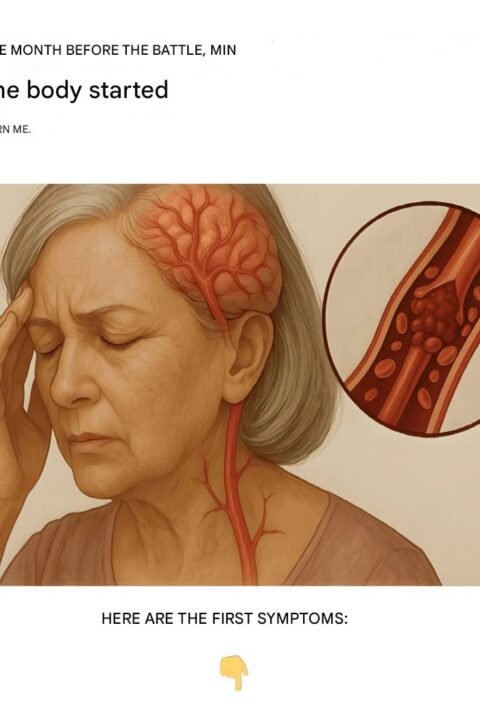
When looking for nutrients that support blood vessel health and improve circulation, health discussions often point to specific vitamins, minerals, and compounds. While no single vitamin acts like a prescription vasodilator that opens blood vessels overnight, certain key nutrients play a fundamental role in maintaining flexible, healthy blood vessels and optimal blood flow.
The nutrient most renowned for directly influencing blood vessel dilation and vascular tone is Vitamin B3 (Niacin), though other vitamins and related compounds also play vital roles.
1. Vitamin B3 (Niacin) — The Classic Vasodilator
-
How it works: Nicotinic acid (a specific form of niacin) triggers the release of prostaglandins, which cause the small blood vessels (capillaries) near the surface of the skin to dilate and widen.
-
The “Niacin Flush”: This vasodilation is famously responsible for the temporary “niacin flush”—a harmless sensation of warmth, tingling, and redness in the face, neck, and chest.
-
Important Caveat: While niacin improves blood flow in capillaries and helps manage cholesterol levels, high-dose niacin supplements should only be taken under medical supervision. Excessive doses can cause liver stress, gastrointestinal upset, or unwanted blood pressure drops.
2. Vitamin C — Protecting Vascular Elasticity
-
How it works: Vitamin C is a powerful antioxidant essential for the synthesis of collagen, a structural protein that gives your arteries and blood vessels their strength, elasticity, and resilience.
-
Circulation impact: By protecting the delicate inner lining of blood vessels (the endothelium) from oxidative damage and supporting nitric oxide production, Vitamin C helps arteries expand and relax efficiently as blood pumps through them.
3. Vitamin E — Preventing Plaque Oxidation and Clotting
-
How it works: As a fat-soluble antioxidant, Vitamin E helps prevent LDL (“bad”) cholesterol from oxidizing, which is a major trigger for plaque buildup (atherosclerosis) inside the arteries. It also has mild anti-platelet properties that help prevent blood cells from clumping together abnormally.
-
Important Caveat: High-dose Vitamin E supplements are not suitable for everyone, especially those taking blood thinners (like warfarin), as they can increase the risk of bleeding.
4. Vitamin D — Supporting Endothelial Function
-
How it works: Receptors for Vitamin D are found throughout the cardiovascular system, including in the smooth muscle cells of blood vessels. Adequate Vitamin D levels help regulate vascular inflammation and support the normal production of nitric oxide, a natural gas your body makes to keep blood vessels wide and relaxed.
Beyond Vitamins: Natural Compounds That Open Blood Vessels
If your goal is to support circulation and encourage blood vessels to relax (dilate), certain dietary compounds backed by robust clinical research often have a more direct vasodilating effect than vitamins alone:
-
L-Arginine and L-Citrulline: Amino acids that serve as direct building blocks for nitric oxide, which signals blood vessels to widen and improve blood flow.
-
Dietary Nitrates (Found in Beetroot and Leafy Greens): The body converts dietary nitrates into nitric oxide, making beet juice or spinach scientifically proven aids for lowering blood pressure and enhancing circulation.
A Safety-First Note
If you are already managing cardiovascular conditions, high blood pressure, or taking medications (such as blood thinners, statins, or antihypertensives), introducing high-dose vitamin or amino acid supplements can sometimes cause adverse interactions. It is always best to consult your primary care doctor or a cardiologist before adding new supplements to your routine.
Are you looking into ways to improve circulation for a specific symptom, like cold hands and feet or leg fatigue?