When sensationalized health articles warn about what happens after gallbladder removal and urge you to “avoid surgery if possible,” they are playing on a very real patient fear: the anxiety of having an organ surgically taken out. While gallbladder surgery (cholecystectomy) is a major medical intervention, framing it as a trap that automatically leads to a cascade of fatal diseases ignores why the surgery is performed in the first place and how the human body adapts.
To separate fear-mongering from clinical reality, let’s examine what the gallbladder actually does, how the digestive tract adapts when it is gone, and when avoiding surgery is dangerously counterproductive.
What Does the Gallbladder Actually Do?
To understand life after gallbladder removal, you have to understand its role.
-
The Storage Pouch: Your liver continuously produces bile, a fluid containing bile acids that helps your digestive system break down and absorb dietary fats.
-
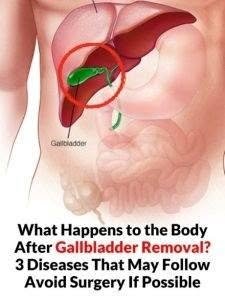
As shown in the biliary system diagram below, your liver channels bile down through the common hepatic duct and common bile duct directly into your small intestine, with the pear-shaped gallbladder acting as a side-storage reservoir.
When you eat a meal rich in fat, your gallbladder contracts and squirts out a concentrated burst of stored bile to help digest it.
What Happens to the Body After Removal?
When a gallbladder is removed (usually because it is packed with painful gallstones, inflamed, or infected), the liver doesn’t stop making bile. Instead, the body reroutes the plumbing:
-
Without a storage pouch, bile flows continuously and directly from the liver down through the common bile duct straight into your small intestine in a slow, steady stream rather than in concentrated bursts.
-
For the vast majority of people, the digestive system adapts smoothly over a few weeks or months. You can live a completely normal, healthy life without a gallbladder.
Addressing the “3 Diseases That May Follow” Claims
Viral posts love to list terrifying downstream “diseases” caused by gallbladder removal. While some people experience temporary or mild post-surgical digestive shifts, calling them catastrophic “diseases” is a distortion:
-
Bile Acid Malabsorption (Chronic Diarrhea):
-
The Reality: Because bile is now dripping continuously into the intestine instead of waiting for food, some individuals experience looser stools, urgency, or mild diarrhea—especially after eating high-fat meals. This is manageable with minor dietary adjustments or medications (like bile acid sequestrants) if it persists, but it is a functional side effect, not a fatal disease.
-
-
Post-Cholecystectomy Syndrome:
-
The Reality: This refers to lingering upper abdominal pain, bloating, or indigestion after surgery. In many cases, it happens because the original symptoms weren’t actually coming from the gallbladder alone, or because minor spasms remain in the bile ducts.
-
-
The “Missing Organ Disease” Myth:
-
The Reality: Viral articles often claim that removing the gallbladder ruins your immune system or causes systemic organ failure. Medically speaking, the gallbladder is a non-vital organ. Your body does not “break down” because it is gone.
-
When “Avoiding Surgery” is Dangerous Advice
While no one wants unnecessary surgery, waiting too long to remove a diseased gallbladder based on internet advice can lead to a genuine medical emergency:
-
Acute Cholecystitis: If a gallstone permanently blocks the cystic duct, the gallbladder can become severely inflamed, infected, or even rupture, leading to life-threatening sepsis.
-
Gallstone Pancreatitis: If a small gallstone slips out of the gallbladder and blocks the common bile duct where it joins the pancreatic duct (shown at the bottom of the diagram), it can trigger acute, excruciating inflammation of the pancreas, requiring emergency hospitalization.
The Bottom Line
If your doctor recommends gallbladder removal, it is typically because your gallbladder is failing, causing agonizing biliary colic attacks, or putting you at risk of dangerous complications. While you may need to ease up on greasy, heavy fried foods initially while your digestive tract adjusts, surgery often provides profound relief from chronic pain and prevents dangerous emergencies.
Are you or a loved one navigating a recent diagnosis of gallstones or discussing gallbladder surgery with a doctor?