## Understanding Sarcopenia
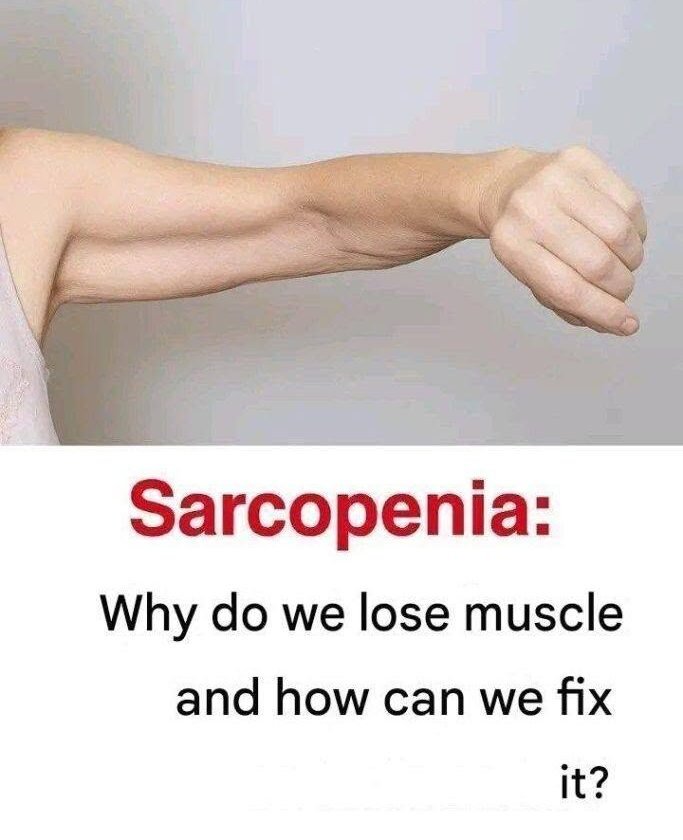
**Sarcopenia** is the progressive and generalized loss of skeletal muscle mass, strength, and function that naturally occurs with aging. While it is commonly associated with older adults, the decline can begin as early as age 40, accelerating significantly after age 60.
—
### Key Causes of Muscle Loss
* **Age-Related Cellular Changes:** A natural decline in anabolic hormones (such as testosterone, growth hormone, and insulin-like growth factor) reduces the body’s ability to synthesize new muscle proteins.
* **Physical Inactivity:** A sedentary lifestyle is one of the primary drivers of muscle atrophy. “Use it or lose it” applies directly to muscle fibers.
* **Nutritional Deficiencies:** Inadequate protein intake prevents the body from repairing and building muscle tissue. Deficiencies in vitamin D can also impair muscle function and strength.
* **Chronic Inflammation:** Aging often brings low-grade, chronic systemic inflammation, which can negatively impact muscle protein balance and promote tissue breakdown.
* **Neuromuscular Decline:** The loss of motor neurons (nerve cells that signal muscles to move) leads to the degeneration of muscle fibers, particularly fast-twitch fibers responsible for strength and power.
—
### Effective Solutions & Interventions
* **Progressive Resistance Training (PRT):** Lifting weights, using resistance bands, or performing bodyweight exercises (like squats and push-ups) stimulates muscle protein synthesis and reverses atrophy.
* **Optimized Protein Intake:** Consuming high-quality protein with every meal—aiming for roughly $1.2$ to $2.0$ grams per kilogram of body weight daily—provides the essential amino acids (especially leucine) needed for muscle repair.
* **Vitamin D Supplementation:** Maintaining adequate vitamin D levels through sunlight, diet, or supplements supports overall neuromuscular health and muscle strength.
* **Cardiovascular Exercise:** Incorporating aerobic activities like walking, swimming, or cycling improves blood flow, nutrient delivery, and mitochondrial health within muscle cells.
* **Overall Lifestyle Management:** Quitting smoking, moderating alcohol intake, and managing chronic health conditions help mitigate systemic inflammation that accelerates muscle loss.
> **Note:** Always consult a healthcare professional or a registered dietitian before starting a new exercise regimen or significantly altering your diet, especially if you have underlying health conditions.
—
Would you like some specific, beginner-friendly resistance training exercises you can do at home to help combat muscle loss?