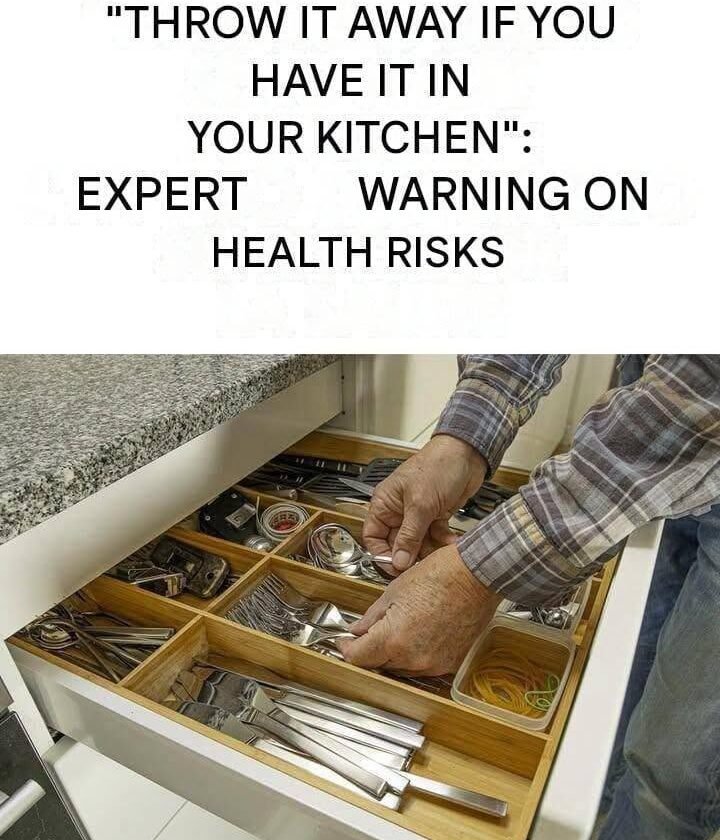
When viral headlines scream “Avoid immediately: According to experts, this tool should no longer be used,” they are using a classic panic-inducing clickbait formula. Whether the thumbnail shows a kitchen gadget, a cleaning brush, a beauty tool, or a household appliance, the goal is always the same: make you terrified that something sitting in your drawer is secretly harming you or your family.
From a safety and consumer-advocacy standpoint, regulatory bodies like the Consumer Product Safety Commission (CPSC) or health experts do occasionally issue recalls or safety warnings, but they rarely match the sweeping, sensationalized tone of internet panic.
To separate genuine safety alerts from viral exaggeration, let’s look at how to evaluate these warnings and which common household tools actually do carry legitimate safety risks:
How to Spot Clickbait vs. Real Expert Warnings
-
The Vague Thumbnail Trap: If a headline warns you to throw away “this common tool” or “this kitchen item” without naming it outright in the title, it is almost always a traffic generator designed to force you to click through a slide-show article filled with advertisements.
-
Missing Specifics: Legitimate expert recalls from organizations like the CPSC will always name the exact brand name, model number, batch code, and specific hazard (e.g., electrical shock, laceration risk, or chemical toxicity). If an article tells you to stop using a tool generally—like “all wooden cutting boards” or “all hair dryers”—without specifying a recalled hazard, take it with a massive grain of salt.
Household Tools That Actually Warrant Caution (According to Safety Experts)
While viral videos love to invent hazards, there are a few genuinely common household tools that safety experts frequently warn consumers to use with extreme care or retire when damaged:
-
Worn-Out Non-Stick Pans and Metal Utensils:
-
The Risk: Using metal forks or spatulas on scratched non-stick (Teflon) cookware can flake the coating into your food. While swallowing tiny flakes is generally considered pass-through non-toxic by health agencies, badly degraded, overheating non-stick coatings can break down and release harmful polymer fumes. If a pan is deeply gouged or peeling, experts recommend replacing it.
-
-
Damaged Electrical Cords and Frayed Power Tools:
-
The Risk: Using drills, saws, hair dryers, or kitchen appliances with exposed wires, cracked plugs, or loose housing creates an immediate risk of electrical shock, short-circuiting, or electrical fires. If a cord is frayed, stop using it immediately.
-
-
Porous Wooden Cutting Boards with Deep Grooves:
-
The Risk: While wooden cutting boards have natural antibacterial properties, deeply scarred, unsealed wooden boards that cannot be thoroughly sanitized can harbor bacteria from raw meats. Experts recommend sanding and re-sealing wooden boards periodically or replacing them if they splinter or retain deep odors.
-
-
Old Plastic Food Storage Containers:
-
The Risk: Older plastic containers that are warped, stained, or deeply scratched from years of microwave heating can leach chemicals like phthalates or microplastics into your food, especially when exposed to high heat. Upgrading to glass or modern, microwave-safe containers is a smart, modern safety swap.
-
What to Do When You See a Warning
If a headline or video tells you to “avoid” a specific tool you own:
-
Check Official Sources: Search the official database at CPSC.gov (or your country’s equivalent consumer safety agency) to see if there is an actual product recall.
-
Inspect the Item: Look for physical damage, wear, or manufacturer defects rather than panicking over a generalized internet trend.
Were you looking up a safety warning for a specific tool or gadget you saw online today?