The passing of iconic French television host and producer Thierry Ardisson brought renewed public attention to liver cancer.
Liver cancer is often referred to by oncologists as a “silent disease” because its early stages rarely produce noticeable symptoms. Many people do not experience obvious physical warning signs until the condition has reached a more advanced stage.
Common Symptoms of Liver Cancer
When symptoms do eventually appear, they can often mimic less serious gastrointestinal or general health issues. Key signs include:
-
Unexplained Weight Loss: Dropping a significant amount of weight without trying or a sudden, drastic loss of appetite.
-
Upper Abdominal Pain: A persistent ache, discomfort, or tenderness in the upper right side of the abdomen, sometimes extending near the right shoulder blade.
-
Abdominal Swelling or Ascites: A noticeable, uncomfortable swelling or fluid buildup in the belly area.
-
Jaundice: A yellowing of the skin and the whites of the eyes, which occurs when the liver cannot properly process bilirubin.
-
Nausea and Vomiting: A general, ongoing feeling of queasiness or a sudden inability to keep food down.
-
Fatigue and Weakness: Extreme, persistent exhaustion that does not improve with rest.
-
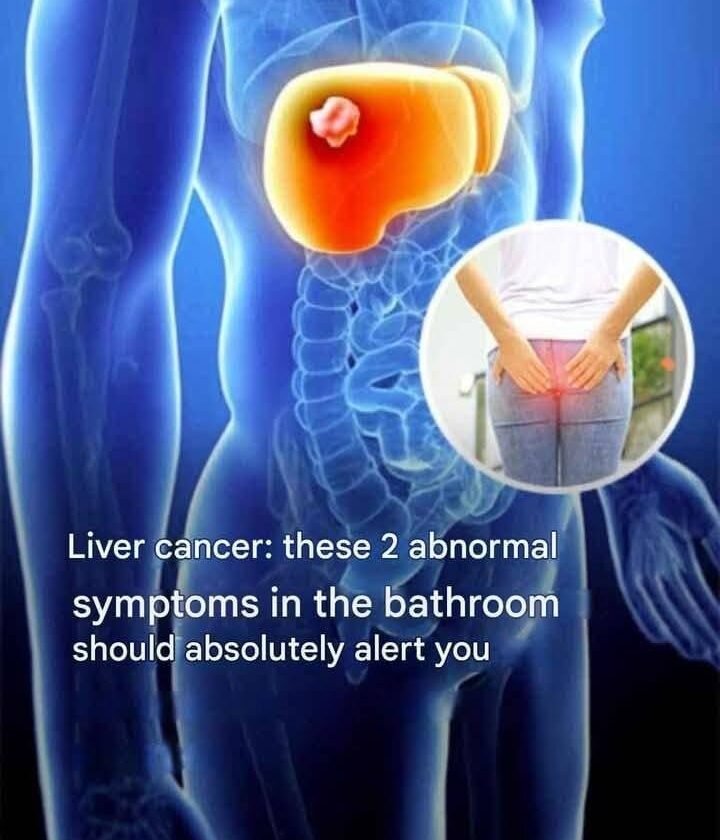
Pale Stools and Dark Urine: Stools that appear chalky or clay-colored, paired with urine that looks unusually dark.
-
A Feeling of Fullness: Getting full quickly or feeling bloated after eating only a small meal.
Why Early Detection is Challenging
Because the liver has a remarkable capacity to keep functioning even when parts of it are damaged or compromised, tumors can grow for a long time before disrupting overall liver function. Routine medical checkups, monitoring chronic liver conditions (such as hepatitis or cirrhosis), and imaging tests are often the only ways to catch it in its earliest, most treatable phases.
Are you looking into the symptoms of liver cancer for general knowledge, or is there a specific health concern you’re trying to navigate?