9 Tips From a Doctor to Lose Weight Naturally—Without Deprivation or Frustration
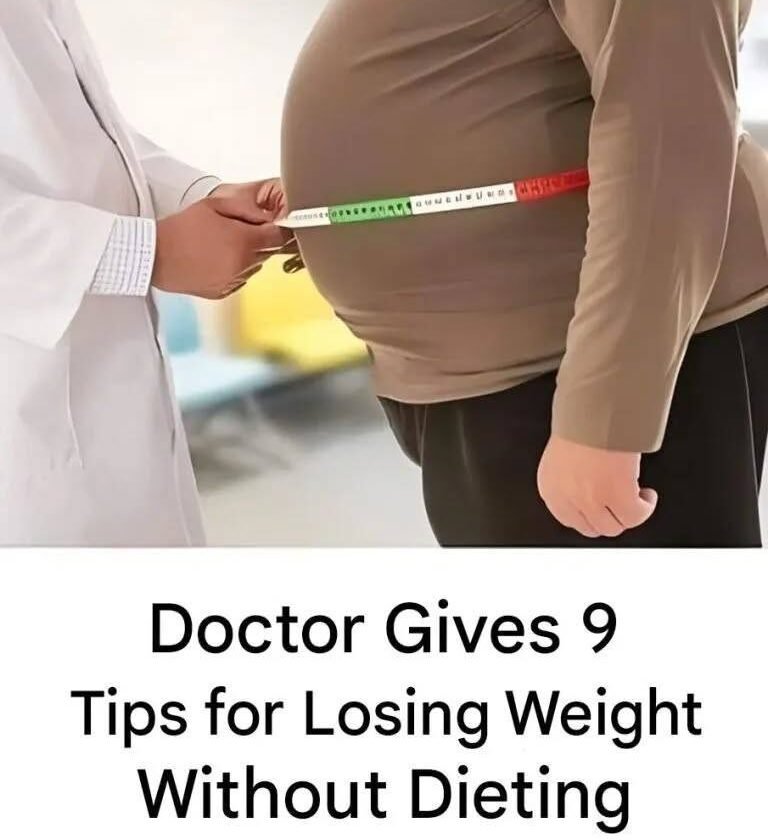
Healthy weight loss does not have to mean starving yourself or completely giving up your favorite foods. A gradual approach that combines nutritious food and regular movement is generally more sustainable.
1. Eat More Filling Foods
Choose vegetables, fruits, beans, whole grains, eggs, fish, lean meats, and other nutrient-dense foods. These foods can help you feel satisfied while keeping meals nutritious.
2. Watch Portions—Not Entire Food Groups
You don’t necessarily need to eliminate bread, rice, potatoes, or other favorite foods. Start with smaller portions and balance your plate with vegetables and a protein source.
3. Drink More Water
Water can be a simple replacement for sugary drinks. Avoid relying on sweetened beverages for hydration.
4. Don’t Skip Meals Just to Lose Weight
Extreme restriction can leave you hungry and make healthy eating harder to maintain. A slower, steady approach is generally preferable to crash dieting.
5. Move a Little More Every Day
Walking, household activities, gardening, and other movement all count. If you’re able, gradually work toward regular moderate physical activity.
6. Include Strength Exercises
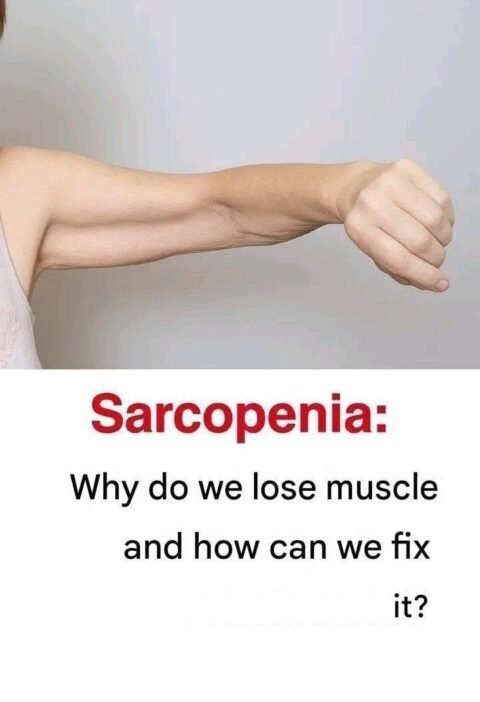
For older adults especially, weight loss should not come at the expense of muscle. Combining dietary changes with resistance exercise can help preserve muscle and bone while losing weight.
7. Keep Favorite Foods in Moderation
You don’t have to make your diet “perfect.” Having a small portion of a favorite treat occasionally can make a healthy eating pattern easier to maintain.
8. Sleep and Manage Stress
Poor sleep and ongoing stress can make healthy eating and regular activity more difficult. Aim for a consistent sleep routine and find simple ways to relax.
9. Set Small, Realistic Goals
Instead of trying to lose a large amount quickly, focus on achievable habits—such as walking a little each day, eating more vegetables, or reducing sugary drinks.
A Special Note for Older Adults
If you’re older, underweight, losing weight unintentionally, or have medical conditions, don’t start a restrictive weight-loss diet without speaking with your doctor. Older adults can be more vulnerable to loss of muscle and bone during weight loss, so preserving strength and adequate nutrition is particularly important.