Your Feet Are Not a “Blood Sugar Meter”: 12 Signs You Should Know
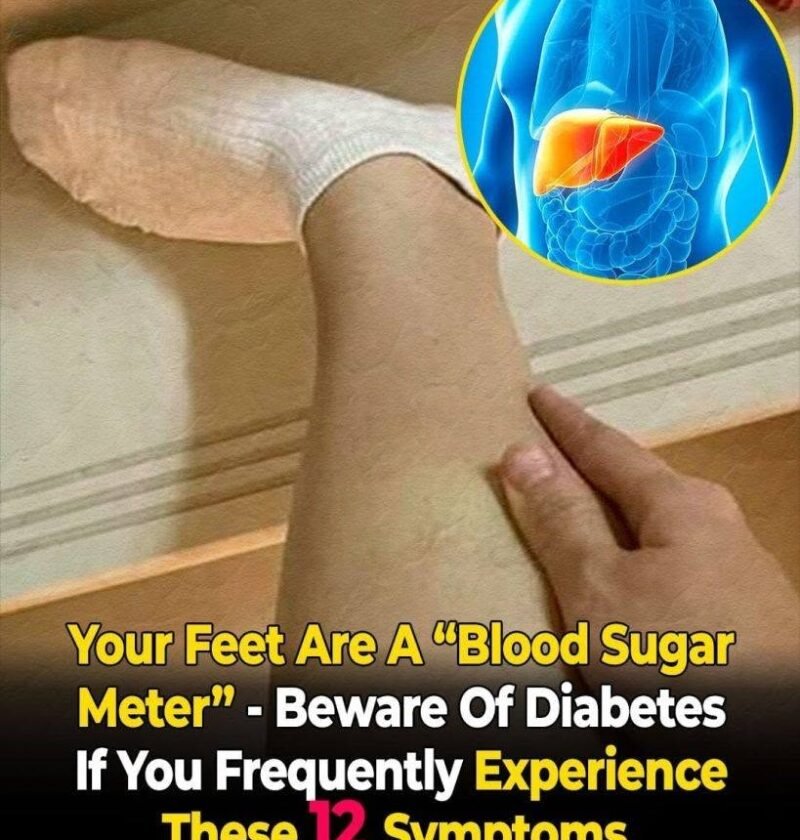
Your feet can sometimes show complications associated with diabetes, especially nerve damage and circulation problems. But foot symptoms alone cannot diagnose diabetes. Diabetes is diagnosed with blood tests.
12 Foot Signs to Pay Attention To
- Numbness or reduced sensation
- Tingling or pins-and-needles
- Burning sensations
- Pain in the feet
- Unusual sensitivity to touch
- Difficulty feeling heat or cold
- Dry or cracked skin
- Cuts or blisters that heal slowly
- Recurring foot infections
- Changes in foot color or temperature
- Hair loss on the toes or lower legs
- Thickened or discolored toenails
Why Can Diabetes Affect the Feet?
Persistently high blood sugar can damage nerves, particularly those in the feet and legs. This can cause numbness, tingling, burning, or pain—and sometimes a person may not notice an injury. Diabetes can also affect blood vessels, making wounds harder to heal.
Don’t Assume It’s Diabetes
Many of these symptoms can have other causes, including circulation problems, nerve conditions, infections, footwear problems, or skin disorders.
If you also have symptoms such as increased thirst, frequent urination, unusual hunger, fatigue, blurred vision, unexplained weight loss, or slow-healing sores, ask a healthcare professional about diabetes testing.