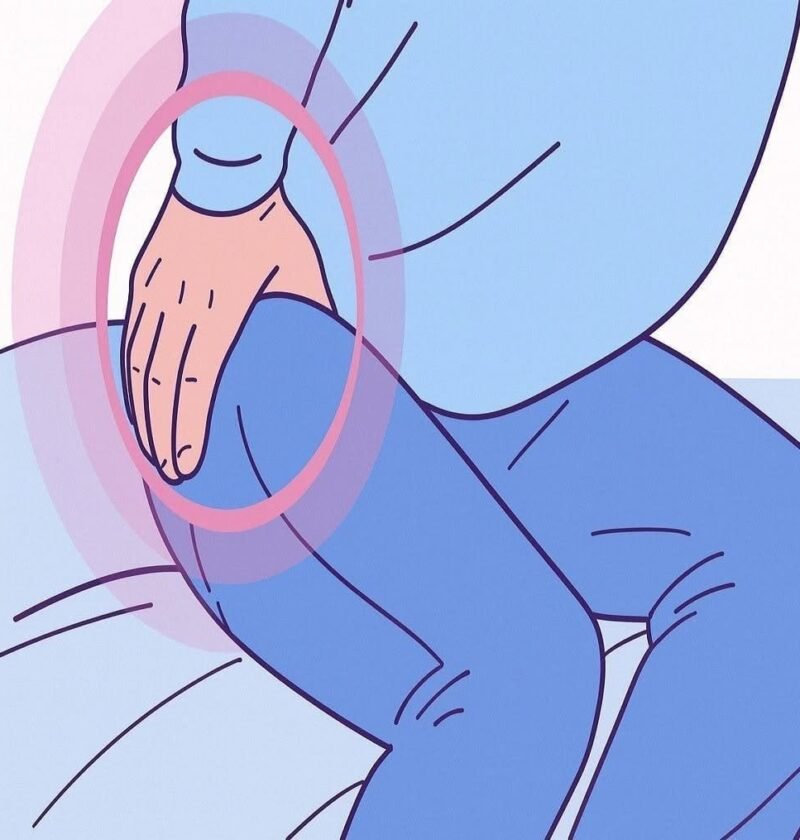
That classic clickbait phrase—“If you have hip pain, it’s a clear sign that…”—is designed to grab your attention on social media. However, the reality of hip pain is that it is not a single clear sign pointing to just one condition.
Because the hip joint is a complex ball-and-socket structure supported by a dense network of muscles, tendons, ligaments, and nerves, discomfort in this area can stem from a wide variety of sources.
What Hip Pain Can Actually Mean
Depending on where the pain is located, what it feels like, and when it happens, it can point to several different underlying issues:
-
Osteoarthritis:
-
The Sign: A deep, aching pain in the front of the hip or groin that often worsens with activity, standing for long periods, or stiffness after resting. It happens when the protective cartilage inside the joint wears down.
-
-
Bursitis or Tendinitis:
-
The Sign: Sharp or burning pain on the outer side of the hip (especially when lying on that side, walking, or getting up from a chair). This is usually caused by inflammation of the fluid-filled sacs (bursas) or tendons surrounding the joint.
-
-
Muscle Strain or Imbalance:
-
The Sign: Soreness resulting from overuse, weak glutes, or tight hip flexors (often aggravated by sitting for long stretches of time).
-
-
Referred Pain from the Lower Back:
-
The Sign: Pain that feels like it’s coming from the hip or outer thigh, but is actually originating from a pinched nerve or issue in the lumbar spine (lower back).
-
-
Labral Tears:
-
The Sign: A catching, locking, or clicking sensation inside the hip joint, sometimes accompanied by a sharp pain when twisting or moving the leg in certain directions.
-
Managing and Evaluating Hip Pain
If you are dealing with persistent hip discomfort, looking past sensationalized headlines to focus on practical, clinical steps is the best approach:
-
Identify the Trigger: Notice when the pain flares up—does it hurt when you put weight on it, when you twist, or only after sitting for hours?
-
Gentle Movement & Mobility: Unless caused by an acute injury, light stretching and strengthening of the core, glutes, and hips can often relieve joint stress. Avoid high-impact activities until you know the cause.
-
When to See a Doctor: Consult a physician or physical therapist if your hip pain lasts more than a couple of weeks, limits your daily activities, causes a limp, or is accompanied by swelling, redness, or numbness.
Are you or someone you know currently dealing with hip discomfort, or trying to figure out what might be triggering it?