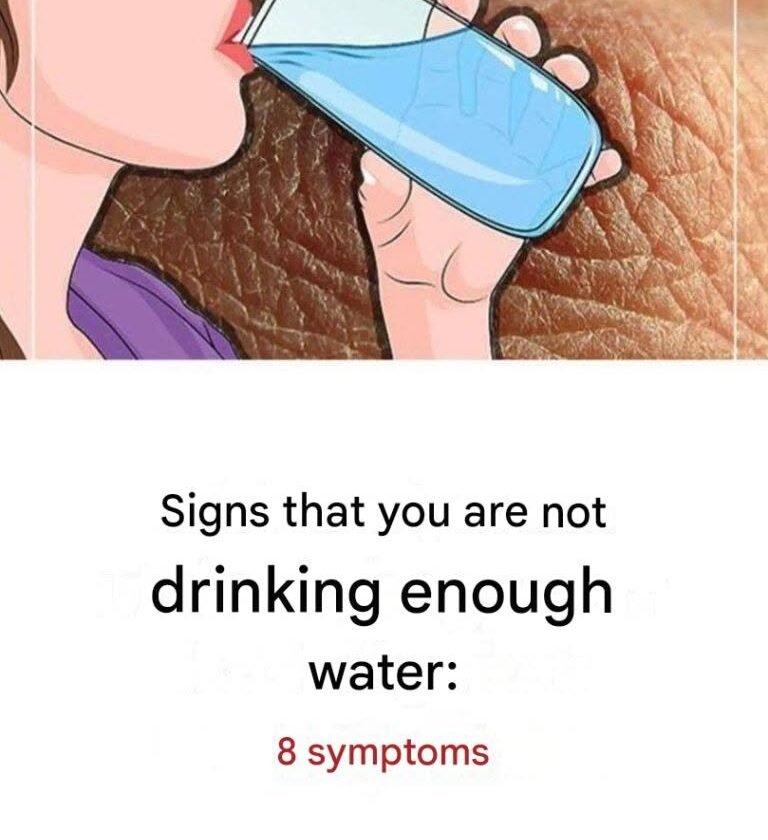
What Happens to Your Body If You Don’t Drink Enough Water?
Your body needs fluids to regulate temperature, support digestion, protect organs, and remove waste. When you don’t replace enough fluid, dehydration can develop. (cdc.gov)
1. You May Feel Very Thirsty
Thirst and a dry mouth are common early signs that your body needs more fluid. (medlineplus.gov)
2. Your Urine May Become Darker
When you’re dehydrated, you may urinate less often and your urine can become darker or more concentrated. (medlineplus.gov)
3. You May Feel Tired or Dizzy
Dehydration can cause tiredness, weakness, headaches, and dizziness. These symptoms may become more noticeable when you stand up. (medlineplus.gov)
4. Constipation Can Get Worse
Adequate fluid intake helps your digestive system function properly. Not getting enough fluids can contribute to constipation. (cdc.gov)
5. Your Body May Have Trouble Staying Cool
Water helps regulate body temperature. Dehydration becomes especially concerning in hot weather or during exercise because you lose additional fluid through sweating. (cdc.gov)
6. Your Kidneys May Be Affected
Adequate hydration helps the kidneys remove waste. Not drinking enough fluids can increase the risk of problems such as kidney stones in some people. (cdc.gov)
Who Needs to Be Especially Careful?
Older adults, people who exercise or work in hot conditions, and people losing fluids through vomiting, diarrhea, or fever can become dehydrated more easily. (medlineplus.gov)
When Is It Serious?
Severe dehydration can be dangerous. Confusion, fainting, very little or no urination, severe weakness, or inability to keep fluids down are reasons to seek medical attention promptly. (medlineplus.gov)
Bottom line: Don’t wait until you’re severely thirsty to think about hydration. Drink fluids regularly throughout the day, and increase your intake when you’re sweating heavily or losing fluids through illness. Your exact needs vary with your body, diet, activity, climate, and health conditions.