What Is Normal Blood Pressure for Each Age?
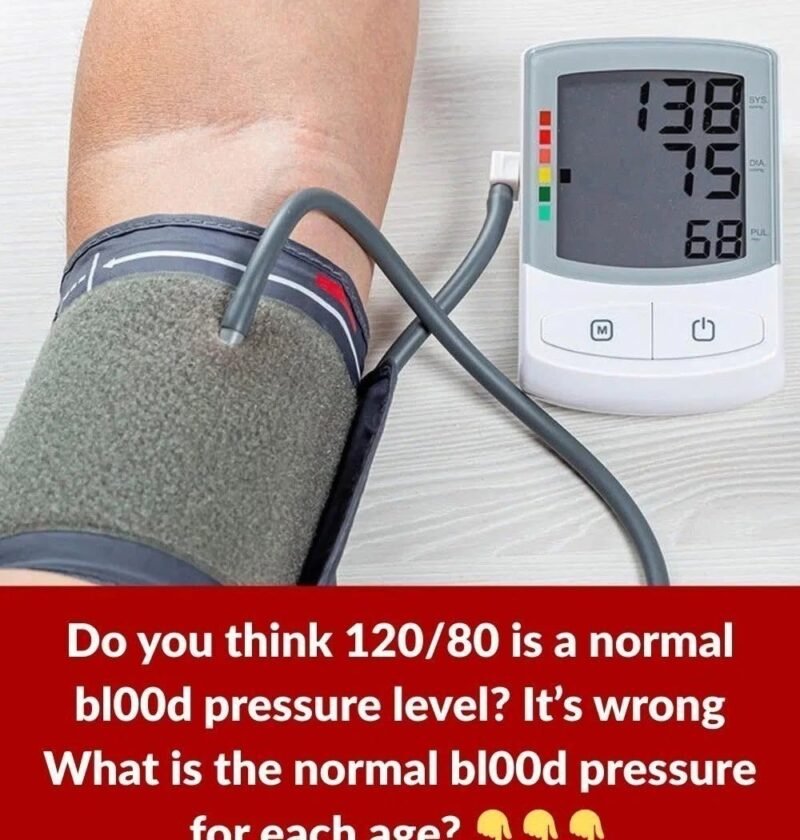
Blood pressure measures how strongly blood pushes against your artery walls. It is written as two numbers, such as 120/80 mmHg.
-
Systolic (top number): Pressure when your heart beats.
-
Diastolic (bottom number): Pressure when your heart relaxes between beats.
Important: Normal blood pressure does not automatically increase with age. For most adults, a reading below 120/80 mmHg is considered normal, although treatment targets can vary with individual health conditions.
Normal blood pressure by age
For adults, the same general categories apply at different ages. These are useful reference ranges, not separate age-specific targets.
| Age group | General reference |
|---|---|
| 18–29 years | Below 120/80 |
| 30–39 years | Below 120/80 |
| 40–49 years | Below 120/80 |
| 50–59 years | Below 120/80 |
| 60–69 years | Below 120/80 |
| 70 years and older | Below 120/80, if tolerated and appropriate for the individual |
These are adult reference categories, not a requirement that every person must reach a particular reading. Your clinician may set a different treatment goal based on your health, medications, and risk of dizziness or falls.
Blood pressure categories for adults
| Reading | Category |
|---|---|
| Below 120 and below 80 | Normal |
| 120–129 and below 80 | Elevated |
| 130–139 or 80–89 | High: stage 1 |
| 140 or higher or 90 or higher | High: stage 2 |
| Above 180 and/or above 120 | Severely high; needs immediate assessment |
If either number falls into a higher category, use the higher category. A single reading does not usually establish a diagnosis.
What about children? Their normal blood pressure depends on age, sex, and height, so adult ranges should not be used for young children.
How to measure blood pressure accurately
-
Sit quietly for five minutes before measuring.
-
Keep your back supported and both feet flat on the floor.
-
Rest your arm at heart level.
-
Avoid caffeine, smoking, and exercise for 30 minutes beforehand.
-
Take two readings about one minute apart and record both.American Heart Association
If your reading is above 180 systolic or 120 diastolic, wait at least one minute and measure again. If it remains that high, seek immediate medical advice. If you also have chest pain, shortness of breath, weakness, vision changes, or difficulty speaking, call emergency services.
I can help you interpret your own reading. Check my blood pressure reading