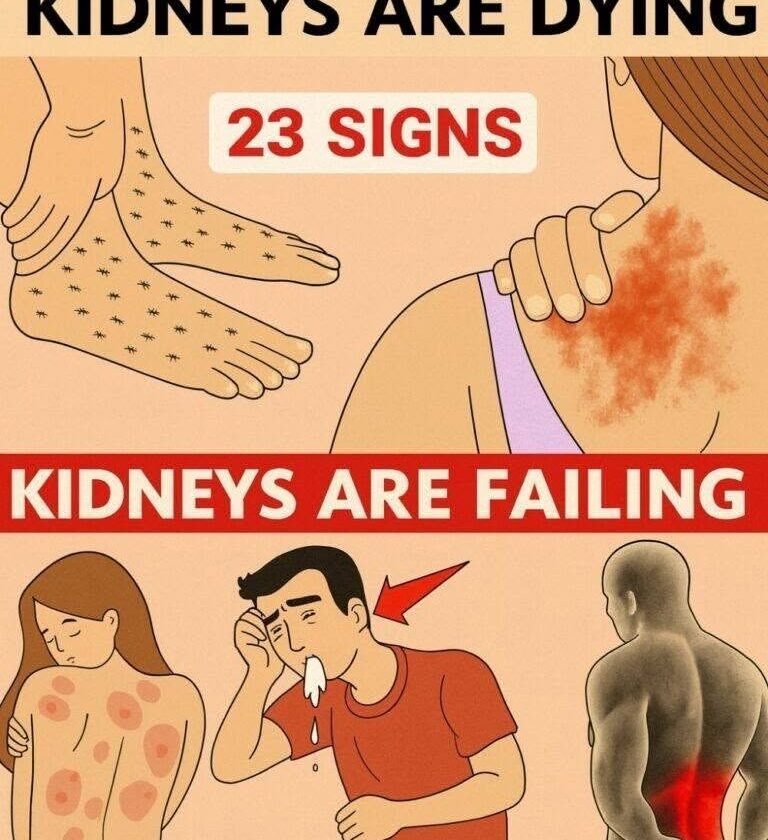
Because early-stage kidney disease is often called a “silent killer,” it rarely causes dramatic pain until it is quite advanced. However, your body often drops subtle, unexpected hints when your kidneys are struggling to filter waste, manage fluid balance, or regulate electrolytes.
While listicles often highlight “23 strange signs,” many of those overlap or point to the same underlying shifts. Here are the most telling and unusual signs your kidneys might be sending:
1. Unusual Changes in Your Urine
-
Foamy or Bubbly Urine: If your urine looks like scrambled eggs or requires multiple flushes, it often indicates proteinuria—meaning your damaged kidney filters are letting large amounts of protein leak out into your urine.
-
Blood in the Urine (Hematuria): Healthy kidneys keep blood cells inside your body when filtering waste. If filters are damaged, blood cells can leak into your urine, turning it pink, brown, or red.
-
Waking Up to Pee (Nocturia): Having to get up multiple times in the middle of the night to urinate can signal that the kidneys’ concentrating ability is declining.
2. Fluid Retention & Swelling Oddities
-
Periorbital Edema (Puffy Eyes): Waking up with severe puffiness around your eyes—especially that doesn’t go away quickly—is a classic sign that your kidneys are leaking protein rather than retaining it in the bloodstream.
-
Tight Rings or Sock Grooves: Swelling in your ankles, feet, or hands happens when impaired kidneys cannot efficiently rid your body of excess sodium and fluid.
3. Skin and Sensory Changes
-
Uremic Itching: A deep, persistent, all-over itch can occur when waste products (toxins) build up in the blood or when calcium and phosphorus imbalances develop due to declining function.
-
Metallic Taste or Ammonia Breath: As urea accumulates in the blood (uremia), it can alter your sense of taste, make food (especially meat) taste metallic, or cause your breath to smell faintly like ammonia.
-
Unexplained Metallic Loss of Appetite: Along with strange tastes, this toxin buildup commonly triggers nausea or a sudden aversion to eating, sometimes leading to unexplained weight loss.
4. Systemic Quirks
-
Persistent “Brain Fog” and Fatigue: Kidneys produce a hormone called erythropoietin (EPO), which tells your bone marrow to make oxygen-carrying red blood cells. When kidney function drops, EPO drops, leading to anemia. This causes a heavy, unshakeable fatigue and difficulty concentrating because your brain isn’t getting enough oxygen.
-
Random Muscle Cramps: Faulty electrolyte regulation (particularly involving calcium and phosphorus) can throw your nerves and muscles out of sync, leading to stubborn cramps, especially in the legs.
When to See a Doctor
If you notice just one isolated symptom (like a single bout of dry skin), it’s likely nothing major. However, if you are experiencing a combination of these signs—especially if you have underlying risk factors like high blood pressure or diabetes—it is wise to request a simple blood test (eGFR) and a urine test (uACR) from your primary care physician to check your kidney health.
Are you or someone you know currently noticing any specific changes, like unusual swelling or shifts in your bathroom habits?