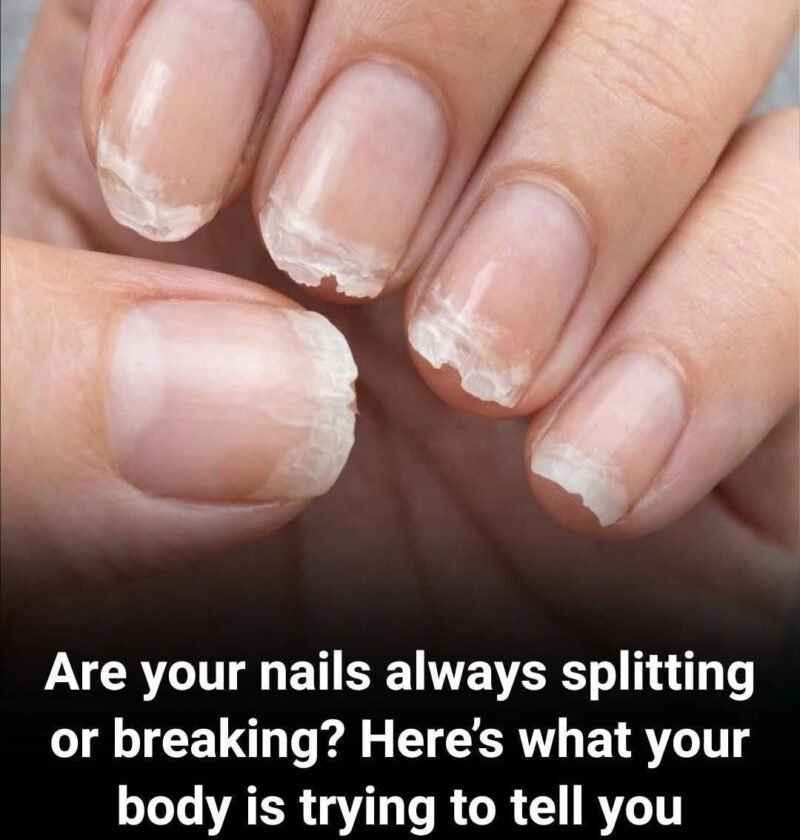
Weak or brittle nails—medically known as **onychoschizia**—are a very common concern characterized by splitting, peeling, cracking, or breaking easily.
To help you troubleshoot and restore your nail health, here is a breakdown of why this happens, how to care for them, and when to seek medical advice.
—
### Understanding the Causes
Brittle nails generally fall into two categories based on moisture levels:
* **Dry and Brittle (Too Little Moisture):** Typically caused by frequent hand-washing, dry or cold weather, aging, or excessive exposure to harsh chemicals and nail polish removers.
* **Soft and Brittle (Too Much Moisture):** Often caused by overexposure to water, harsh detergents, or household cleaners.
* **The Clue of the Toenails:** A helpful diagnostic rule of thumb is that if your fingernails are splitting but your toenails are completely strong, the culprit is usually an external factor (like water exposure or chemicals). If *both* are brittle, it may point toward an internal or systemic cause.
—
### Effective Treatment & Care Strategies
1. **Lock in Moisture Correctly**
* **Moisturize immediately after water exposure:** Apply a thick hand cream, ointment, or natural oil (such as jojoba or shea butter) within minutes of washing your hands or showering while the nail still retains some moisture.
* **Look for targeted ingredients:** Creams containing alpha-hydroxy acids (AHAs), urea, or lanolin can help the nail plate retain moisture.
2. **Protect Your Hands**
* **Wear gloves:** Always wear rubber or waterproof gloves when doing dishes, cleaning, or handling harsh chemicals. Wear warm gloves outdoors during cold, dry winter months.
3. **Modify Your Grooming Habits**
* **Keep them trimmed:** Short nails have less surface area to catch on things and absorb water/chemicals, making them less prone to splitting.
* **File gently:** File your nails in **one direction only** using a fine emery board or non-metal file. Avoid a back-and-forth sawing motion, which frays the keratin layers.
* **Leave cuticles alone:** Avoid cutting or aggressively pushing back your cuticles, as they act as a natural protective seal for the nail matrix.
4. **Reconsider Chemicals and Polish**
* Give your nails a break from frequent manicures, acrylics, and gel polishes, which weaken the nail structure during application and removal.
* If you use nail polish remover, choose an **acetone-free** formula, and use it sparingly.
* Be cautious with “nail hardeners,” as some formulas contain formaldehyde or high amounts of alcohol that can further dry out and dehydrate the nail.
5. **Nutritional Support**
* Eating a balanced diet rich in lean proteins and whole foods is essential for building strong keratin.
* **Biotin:** Some people find success taking an over-the-counter biotin supplement (often around 2.5 mg to 5 mg daily), though it can take several months of consistent use (roughly 6 to 8 weeks or longer) to see a noticeable difference as the nail grows out. *Note: Always check with a doctor before starting high-dose supplements, as they can sometimes interfere with certain lab tests.*
—
### When to See a Doctor
If lifestyle changes and protective measures do not improve your nail strength after a few months, consider speaking with a healthcare provider or dermatologist. Persistent brittle nails can occasionally be a sign of an underlying medical condition, such as:
* **Iron deficiency** (anemia or low ferritin)
* **Thyroid disorders** (such as hypothyroidism)
* **Circulatory issues** (such as Raynaud’s syndrome)
* **Fungal infections** (if discoloration or localized thickening is present)
Have you noticed any other symptoms alongside your weak nails, like unusual fatigue, hair changes, or skin dryness?