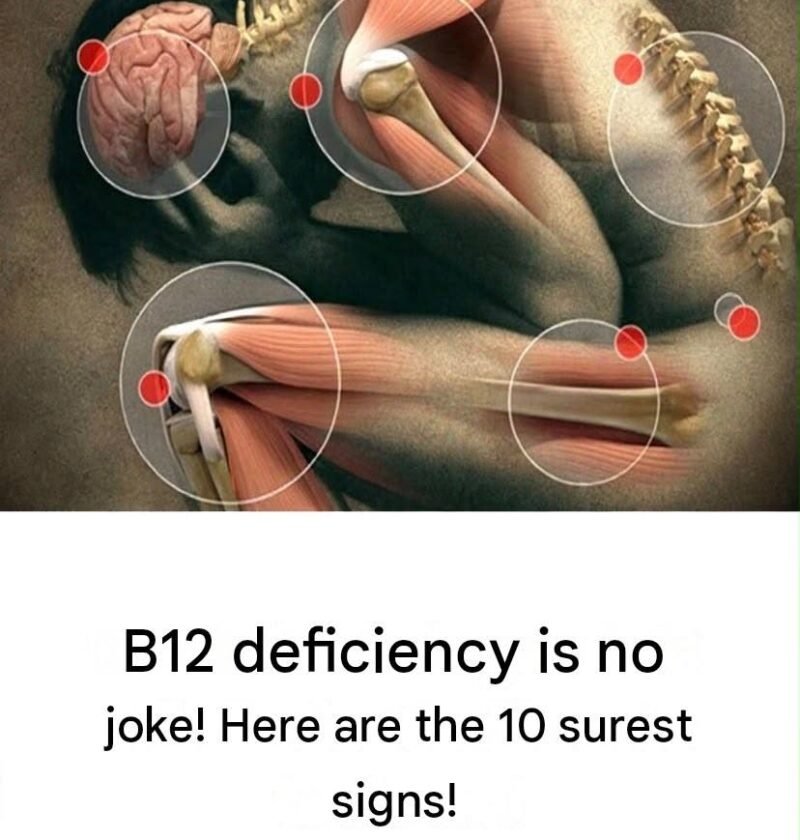
Vitamin B12 is essential for producing healthy red blood cells, maintaining nerve function, and supporting neurological health. When levels drop significantly, it can affect nearly every system in the body.
Here are **10 of the surest signs** of a vitamin B12 deficiency:
—
### 1. Extreme Fatigue and Lethargy
This is often the earliest and most common sign. Because your body lacks enough B12 to make sufficient red blood cells, oxygen isn’t efficiently transported to your tissues, leaving you feeling persistently exhausted regardless of how much sleep you get.
### 2. Pale or Slightly Yellow Skin (Jaundice)
A shortage of red blood cells can make your skin look pale. Additionally, the premature breakdown of fragile red blood cells can cause an excess of bilirubin in the system, giving the skin and the whites of the eyes a faint yellowish tint.
### 3. Pins and Needles (Paresthesia)
Nerve damage is a serious consequence of long-term B12 deficiency. You may experience a frequent prickling sensation, numbness, or a “pins and needles” feeling, typically starting in the hands and feet.
### 4. Mobility and Balance Changes
As peripheral nerve damage progresses, it can alter how you walk and move. Some people experience unexplained clumsiness, unsteadiness, muscle weakness, or difficulty maintaining balance.
### 5. A Smooth, Sore Red Tongue (Glossitis)
Known medically as glossitis, inflammation of the tongue causes it to swell, turn painfully red, and appear smooth as the tiny papillae (taste buds) wear down. You might also experience mouth ulcers or a burning sensation in the mouth.
### 6. Shortness of Breath and Dizziness
If you find yourself winded from mild physical activity that used to feel easy—like climbing a flight of stairs—it may be due to the body trying to compensate for low oxygen levels by increasing your breathing and heart rate.
### 7. Cognitive and Memory Difficulties
B12 plays a vital role in neurological health. A deficiency can manifest as “brain fog,” trouble concentrating, forgetfulness, or difficulty processing thoughts, which is sometimes mistaken for early-onset dementia in older adults.
### 8. Mood Changes (Depression and Irritability)
Low B12 levels are frequently linked to mood disturbances, ranging from persistent low mood, irritability, and anxiety to more severe depressive symptoms, likely due to its role in metabolizing brain chemicals like serotonin.
### 9. Vision Disturbances
Though less common, a severe B12 deficiency can damage the optic nerve, leading to blurry, disturbed, or shadowed vision.
### 10. Digestive Issues
A deficiency can affect the gastrointestinal tract, leading to symptoms like unexplained nausea, vomiting, indigestion, loss of appetite, or diarrhea, which can ultimately result in unintended weight loss.
—
### What to Do Next
Vitamin B12 deficiency can be easily diagnosed via a routine blood test ordered by a healthcare provider. If left untreated, neurological damage can become permanent, so catching it early is crucial.
Are you or someone you know currently experiencing any of these symptoms, or were you looking into this for a specific health concern?