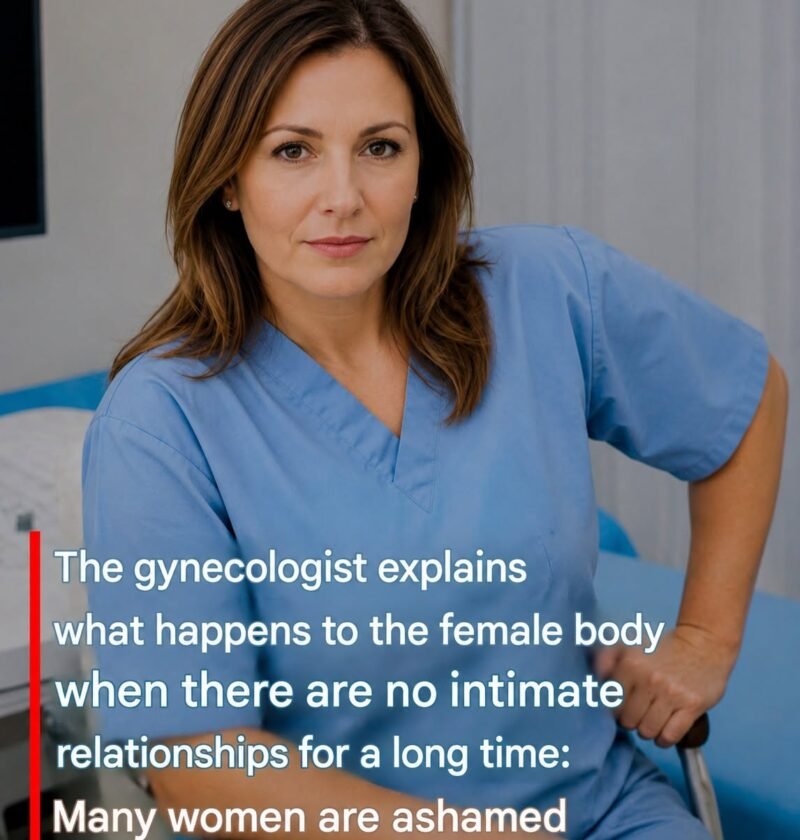
Sensationalized headlines or clickbait posts on social media often suggest that a long period of sexual inactivity or a lack of intimacy causes permanent damage or drastic changes to a woman’s body. From a medical and gynecological standpoint, **this is a myth.**
Medically speaking, going without intimacy for an extended period does not cause permanent physical harm, nor does it permanently alter a woman’s anatomy. However, there are a few real, temporary physiological and hormonal shifts that gynecologists often discuss with patients:
* **Temporary Decreased Lubrication or Elasticity (Especially Post-Menopause):** Regular blood flow and stimulation help maintain vaginal tissue health. When intimacy stops for a long time—particularly after menopause when estrogen levels are already low—the vaginal walls can thin (atrophy) and become drier. This can make resuming sex temporarily uncomfortable, but it doesn’t mean permanent structural damage.
* **Changes in Libido:** Some women find that their sex drive decreases when they aren’t active for a while, while others notice no change at all.
* **Hormonal and Mood Shifts:** Intimacy triggers the release of “feel-good” neurochemicals like oxytocin, endorphins, and dopamine, which help reduce stress and promote sleep. Going without it doesn’t cause a hormonal “imbalance” that ruins health, but individuals might miss out on those natural stress-relieving boosts.
* **What Doesn’t Happen:** A common myth is that the vagina will permanently “shrink” or tighten up so much that intercourse becomes impossible. Gynecologists routinely clarify that the vaginal muscles are flexible; while they may feel a bit tight or require more foreplay and lubrication after a long break, they do not permanently alter their shape due to abstinence.
Ultimately, every body and timeline is entirely different, and there is no “use-it-or-lose-it” medical rule for physical health.
Were you curious about the general health myths surrounding abstinence, or is there a specific symptom or change you were wondering about?