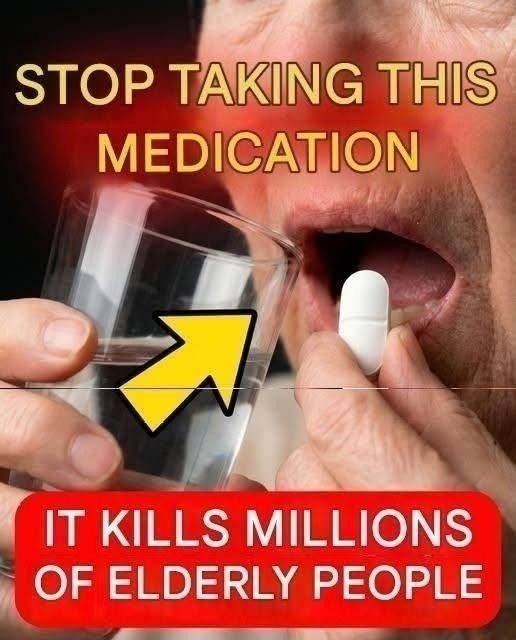
10. What are the five medications mentioned in this warning?
I found a similar online article and video, but these headlines do not establish that all five medicines are dangerous for every older person. Here are five medication groups worth discussing with a healthcare professional.
-
NSAID painkillers — ibuprofen, naproxen and diclofenac. These can increase heart attack and stroke risk, particularly with higher doses or prolonged use.Mayo Clinic
-
Certain cold and nasal decongestants — such as pseudoephedrine. These can raise blood pressure and heart rate, which matters for people with hypertension or heart disease.FDA
-
Some sleep medicines — may increase falls, confusion and other risks in older adults; the cardiovascular risk depends on the specific drug.
-
Certain hormone therapies — some formulations can increase blood clot or stroke risk, depending on the medicine and individual circumstances.
-
Some diabetes medicines — cardiovascular effects vary substantially by drug; certain medicines benefit the heart, while others may be unsuitable for particular patients.
The last three are broad categories, not a recommendation to avoid all medicines within them.
What should older adults do?
-
Do not stop prescribed medicines suddenly because of an online warning.
-
Ask a doctor or pharmacist to review all prescription drugs, over-the-counter medicines and supplements.
-
If you have heart disease or high blood pressure, ask before regularly using painkillers or cold medicines.
-
Seek emergency care for sudden chest pain, shortness of breath, facial drooping, one-sided weakness or difficulty speaking.
The FDA explains that ageing can change how medicines are processed and increase the risk of harmful drug interactions.
FDA
+1
Would you like me to check the exact five medicines from the article or video you saw? Share its link or a screenshot, and I can assess the specific claims and explain which risks are supported by evidence.