Visible Blue Veins After 60: What Your Blood Flow May Be Telling You
Have you noticed blue veins becoming more visible on your hands, arms, or legs as you get older? You may wonder whether your circulation is getting worse.
The good news is that visible blue veins are often a normal part of aging. However, changes in their appearance—especially when accompanied by pain, swelling, or skin changes—can sometimes signal an underlying problem.
Here are seven things your veins may be telling you after age 60.
1. Your skin is becoming thinner
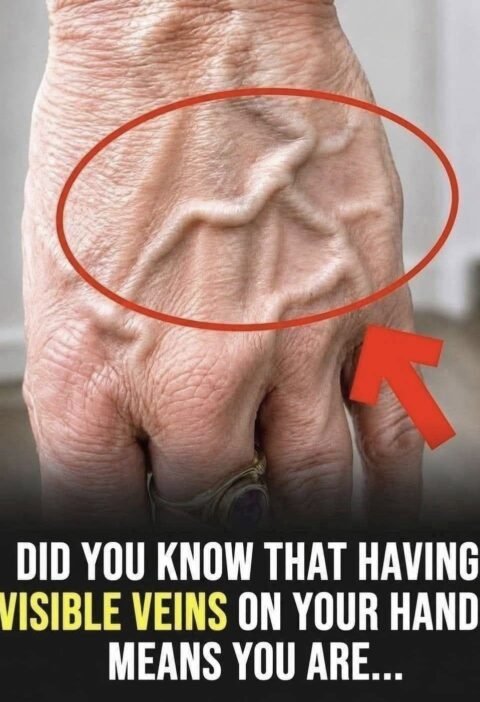
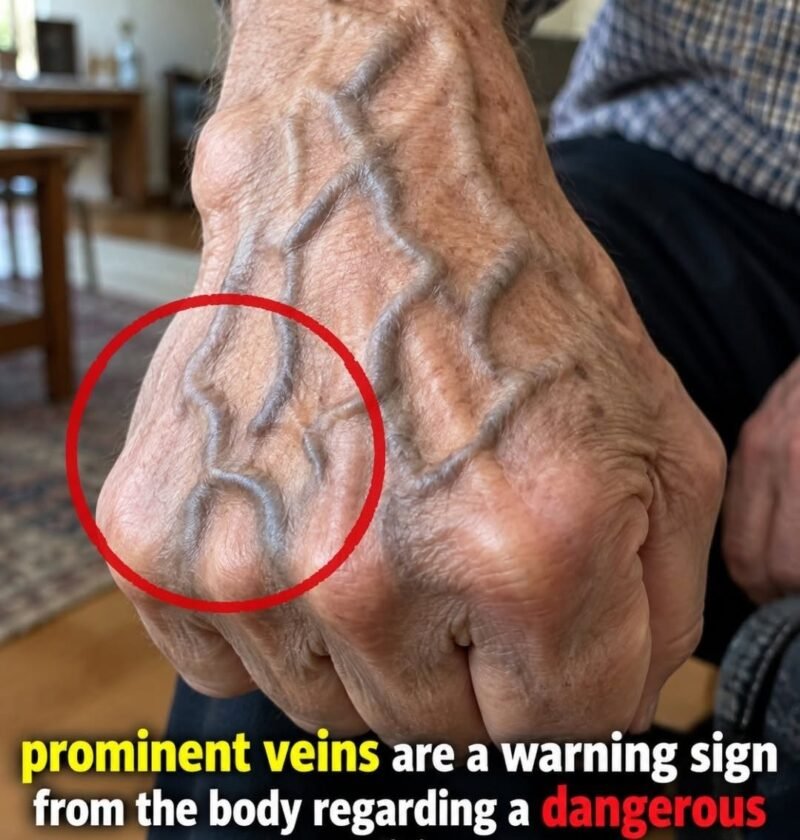
As we age, the skin loses collagen and its layer of fat beneath the surface may become thinner. This makes veins easier to see, particularly on the backs of the hands and forearms.
-
Usually harmless when there are no other symptoms.
-
Veins may appear blue or green because of how light travels through the skin.
-
Visible veins alone do not prove that circulation is poor.
2. Your veins may be more prominent because of reduced skin fat
The natural padding beneath the skin often decreases with age. Veins that were previously hidden can become more noticeable.
This is especially common in lean older adults and does not necessarily mean that blood is failing to circulate properly.
3. You may have varicose veins
Varicose veins are enlarged, twisted veins that most commonly appear in the legs. They develop when the valves inside veins do not function properly, allowing blood to pool.
Possible symptoms include:
-
Aching, heaviness, or tiredness in the legs.
-
Swelling around the ankles.
-
Itching or skin discoloration.
-
Symptoms that worsen after standing for long periods.
If these symptoms persist, arrange a medical assessment.
4. Blood may be pooling in your legs
Chronic venous insufficiency occurs when the veins have difficulty returning blood from the legs toward the heart.
Signs can include persistent ankle swelling, aching, skin thickening, brown discoloration, and wounds that heal slowly.
Prominent blue veins alone are not enough to diagnose this condition.