If you mean nighttime leg cramps, they become more common with age, but they can affect anyone.
Who is most at risk?
-
Older adults — nighttime leg cramps become increasingly common with age.
-
People who are pregnant — particularly later in pregnancy.
-
People who exercise heavily or overuse their muscles — especially after prolonged walking, standing, or strenuous activity.
-
People who are dehydrated — fluid loss from sweating, vomiting, or diarrhea may contribute.
-
People with certain medical conditions — including diabetes, kidney disease, peripheral vascular disease, and some neurological disorders.
-
People taking certain medications — some diuretics, statins, and other medicines have been associated with muscle cramps.
-
People who spend long periods sitting or standing — prolonged positioning can contribute to leg discomfort and cramping.
When cramps deserve more attention
Occasional nighttime cramps are usually harmless. However, talk with a healthcare professional if they’re frequent, severe, disrupting your sleep, associated with muscle weakness or swelling, or suddenly becoming much more frequent.
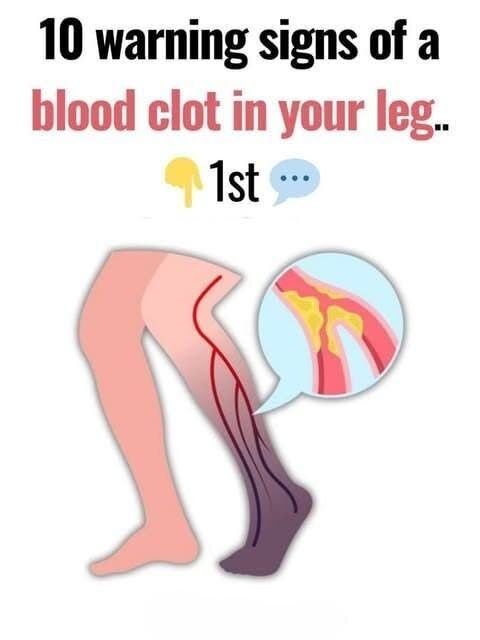
A cramp accompanied by one-sided leg swelling, redness/warmth, or unexplained severe pain needs prompt medical assessment because those symptoms can have causes other than an ordinary muscle cramp.